Member Biographies and Obituaries
Biographies
John P. Kostuik, MD
Introduction
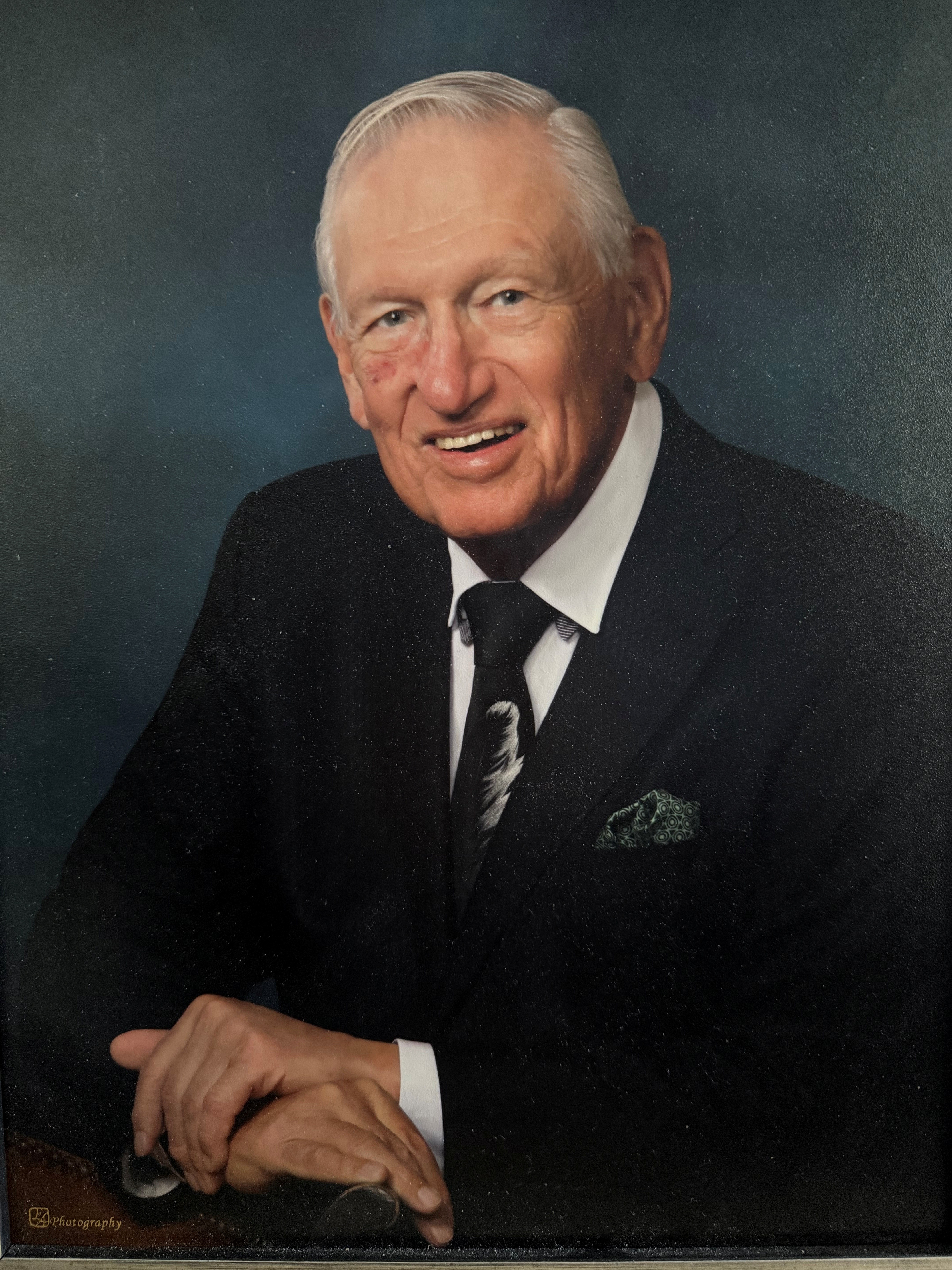
Dr. John P. Kostuik’s legacy within the SRS and the broader spine community reflects a rare combination of technical innovation, institutional leadership, and sustained commitment to surgical accountability within spine surgery. His role in shaping adult spinal deformity surgery and establishing morbidity and mortality analysis as a professional standard continues to influence generations of spine surgeons.
Early History
Dr. Kostuik was born in 1937 in a mining town in northern Ontario, Canada. His father was a mining engineer, and his early years were shaped by close-knit communities and an active outdoor life that included hockey and baseball. At the age of fifteen, he relocated with his family to North Africa, living in Morocco and Algeria for two years before returning to Canada to complete his secondary education. This early exposure to different cultures fostered a broad international outlook that would later characterize his career in spine surgery and innovation.
Education and Training
Dr. Kostuik attended Queen’s University in Kingston, Ontario, earning his medical degree in 1961. His interest in orthopedics emerged during summer work in northern mining regions of Canada, where exposure to traumatic injuries highlighted the transformative impact of surgical care. He completed his orthopedic residency at the University of Toronto (1961–1967), training under several formative leaders in the field, including Drs. R. B. Salter, Ian MacNab, and John Hall. During this period, he undertook a year of research with Dr. Salter on hip dysplasia, gaining early experience in rigorous academic investigation.
Career Development
Following his residency Dr. Kostuik joined the faculty of the University of Toronto in 1967, where he remained until 1991, achieving the rank of Professor in 1983. He pursued advanced training in biomechanics in Europe (1968–1969). It was during this fellowship that he committed his practice and research focus to adult spinal deformity, an area that at the time was still evolving conceptually and technically. A visit to Japan in 1981 further reinforced his global perspective on spinal pathology and surgical approaches. In 1991, he was recruited to Johns Hopkins University, serving as Professor of Orthopedics and Neurosurgery, Chief of Spinal Surgery, and Chairman of Orthopedics until 2004. He currently holds the title of Professor Emeritus at Johns Hopkins University.
Contributions to the Scoliosis Research Society
Dr. Kostuik’s relationship with the Scoliosis Research Society (SRS) spans several decades and coincided with a formative era in the Society’s development. He served on the SRS Board of Directors from 1983 to 1984 and was elected President in 1987, reflecting the high regard in which he was held by his peers.
One of his most enduring contributions to the SRS was his leadership in the evolution of Morbidity and Mortality (M&M) reporting, at a time when systematic complication analysis was still in its infancy within spine surgery. Before formal establishment of the SRS Morbidity and Mortality Committee, M&M data collection was conducted through the Data Retrieval Committee and the Research Coordinating Committee, with Dr. Kostuik being an early leader since 1976. Through his leadership, the Morbidity and Mortality Committee was formally established in 1978, with Dr. Kostuik serving as its Chair from 1978 to 1979. Dr. Kostuik is recognized as a foundational leader in establishing structured morbidity and mortality analysis within the SRS, helping to institutionalize transparency, data collection, and patient safety long before these concepts became standard across surgical disciplines.
Professional Leadership Beyond the SRS
Dr. Kostuik served as President of the North American Spine Society (NASS) in 1991. He maintained active membership in numerous national and international societies, including the Cervical Spine Research Society and the International Society for the Study of the Lumbar Spine, the American Orthopaedic Association, Canadian Orthopaedic Association, and several European, Asian, and Latin American orthopedic societies.
Academic Achievements and Clinical Innovation
Dr. Kostuik’s clinical career was marked by innovations that fundamentally advanced the understanding and treatment of adult spinal deformity. He first performed his first pedicle screw fixation for spinal trauma in 1974, at a time when the technique was not yet widely accepted. His modifications of the Harrington system for anterior spinal surgery became known as the Kostuik–Harrington system
In the early 1970s, he identified and described iatrogenic flat back syndrome, recognizing it as a significant complication of traditional fusion techniques. In 1976, he performed the first corrective osteotomy for flat back deformity, using a combined anterior–posterior approach that became informally known among his trainees as the “All-American Operation.”
Dr. Kostuik authored more than 120 peer-reviewed publications and three textbooks, served on the editorial boards of The Journal of Bone and Joint Surgery, Spine, The Journal of Spinal Disorders, and The Spine Journal, and lectured in 37 countries. His honors include the SRS Traveling Fellowship to Asia (2001), the Russell Hibbs Award, the Wiltse Award, and the Farfan/Selby Award.
Industry Leadership and Later Career
In 2003, Dr. Kostuik co-founded K2M, Inc. with Dr. Tom Errico and Eric Major and served as Chairman of the Board. The company focused on solutions for complex adult and pediatric spinal deformity.
Personal Life
Outside of medicine, Dr. Kostuik enjoys golf and woodcarving. He is married to Marilyn, has three children, and several grandchildren.
Legacy
Dr. Kostuik’s influence has extended beyond individual innovations to the culture of spine surgery itself. By advancing adult spinal deformity surgery while simultaneously insisting on rigorous complication reporting and professional accountability, he helped shape a generation of surgeons who value transparency, outcomes, and patient safety. His legacy endures not only in techniques and publications, but in the standards by which spine surgery continues to measure itself.
Ginette Duval-Beaupère
Overview
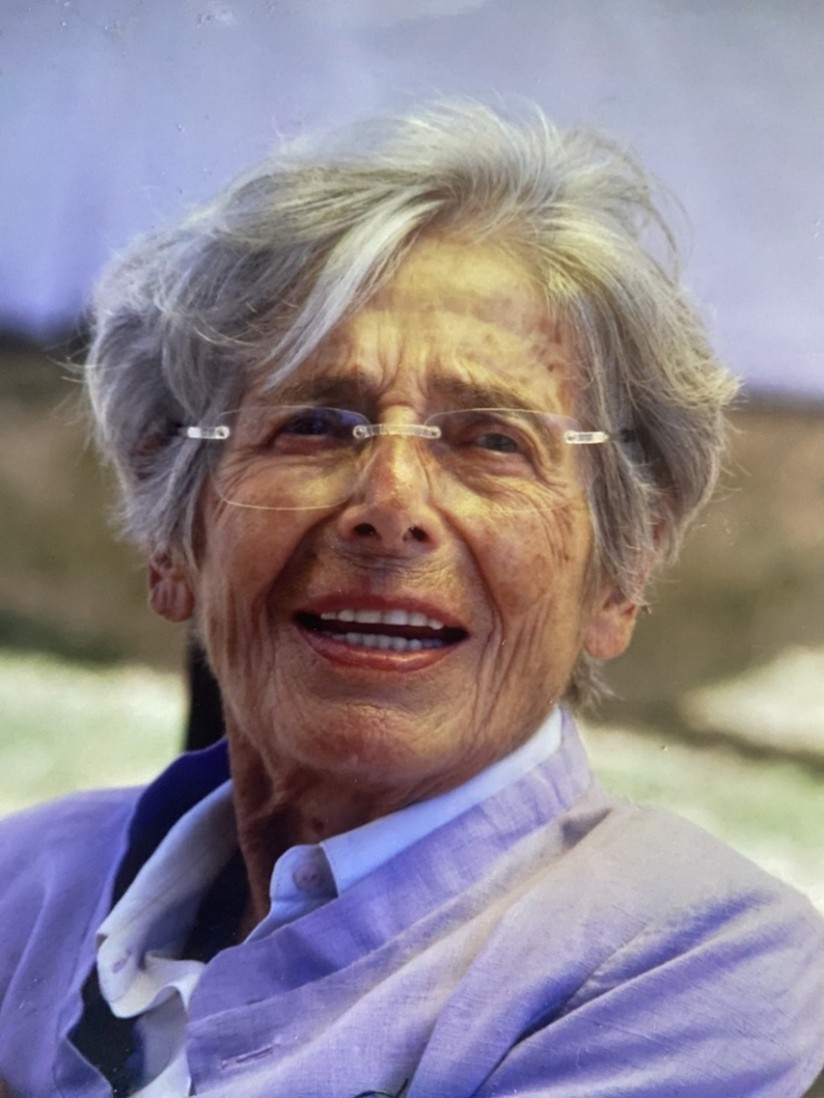
Dr. G. Duval-Beaupère (Ginette Duval-Beaupère) was a pioneering French physician and spinal researcher, who was recognized for her fundamental work in the biomechanics and pathophysiology of spinal deformities, particularly scoliosis. She was an originator of a three-dimensional approach to scoliosis that broke with the purely coronal vision that was dominant at the time.
Her work on the natural history of both idiopathic and neuromuscular scoliosis led to better understanding, and improved therapeutic and surgical strategies for scoliosis care. She developed the key parameters of pelvic incidence and sacral slope, essential for analyzing sagittal alignment.
Early Years
Madame Duval-Beaupère was born in 1928 and she died in 2023 at age 95.
Her father had died when she was an infant, and as she grew, she recognized that she had profound sympathy for medically disabled people. She therefore pursued a career in medicine.
Medical practice at Raymond-Poincare Hospital
She obtained her medical degree from the Université de Médecine de Paris. She then worked for 45 years at the L’Hôpital Raymond-Poincaré in Garches, (near Paris). The Orthopedic service at Garches was under the leadership of Professor Robert Judet and included comprehensive neurorehabilitation and scoliosis management activities. In the 1950s, this hospital became known for orthopedic and neurologic trauma, but also the rehabilitation of polio patients. At the time, polio was widespread in France. In this hospital, Professor André Grossiord and Olivier Troisier set up the Centre national de traitement des séquelles de la polio.
Collaboration with Doctor Annie Barois
In 1963, Annie Barois was recruited at Raymond Poincaré Hospital. In 1979, she became head of the department of pediatric intensive care and developed multidisciplinary clinics focusing on neurology, surgical interventions, and rehabilitation of the disabled/deformed spine and thoracic cage.
She particularly contributed to the use of positive pressure devices to treat pulmonary insufficiency in cases with thoracic deformities (thoracic asphyxiating dystrophy, Poland Syndrome, and other diseases) or in early onset neuromuscular disorders such as congenital muscular dystrophies and myopathies, and spinal muscular atrophy. Together with Doctor Duval-Beaupère, she contributed to the conception and use of the Corset Garchois, a brace still used for neuromuscular scoliotic deformities with respiratory insufficiency.
Research on Spinal Growth and Sagittal Balance
Madame Duval-Beaupère was the first physician to clearly describe the link between spinal growth velocity and scoliosis curve progression. She described the importance of identifying the peak height velocity in choosing the best therapeutic window for medical or surgical treatment in Adolescent Idiopathic Scoliosis. Her work in these areas was often published along with collaborations with Drs. Jean-Claude Legaye, Hecquet, and Marty.
Research on Sagittal Balance
Her groundbreaking work established foundational anatomical criteria for normal posture, influencing modern spine surgery and analysis. She defined the Pelvic Incidence (PI), and related sagittal pelvic parameters, and emphasized how crucial they are for understanding sagittal balance. She stated “The pelvic incidence appears to be the main axis of the sagittal balance of the spine. It controls sagittal spinal curves in accordance with the adaptability of the other parameters.” She also demonstrated how pelvic parameters influenced acetabular orientation in hip replacement surgery.
Relationship with Doctor Jean Dubousset
The very close relationship between Dr. Jean Dubousset and Ginette Duval-Beaupere is best shown in a homage written by Dubousset on her passing and is presented in part, in the following paragraphs.
“You are someone I would describe as both an outstanding clinician and an exceptional researcher, with, in addition, a constant concern for humanity—always placing the patient, whether a child or a very elderly person, at the center of the stage, since, in your eyes, the patient was what mattered most.
This is what I was able to observe during our joint consultations, almost weekly, at Raymond Poincaré Hospital in Garches, together with the remarkable team you had created—so many competent and devout collaborators. I also observed it during working sessions, often in the evenings, that I occasionally carried out at your home in Meudon.
Since 1969, when you asked me to verify whether the laws governing the progression of paralytic scoliosis due to polio at Raymond Poincaré Hospital in Garches—which you had so brilliantly established—were also applicable to idiopathic scoliosis, followed and treated by my mentor Pierre Queneau at Saint-Vincent-de-Paul Hospital, your name has remained forever associated with this law.
Relentlessly concerned with understanding the difficulties encountered in the standing position by paralytic patients, and particularly those with myopathies, your research—together with the members of the INSERM Unit that you directed with rigor, authority, and benevolence—led to the description, measurement, and significance of the pelvic incidence angle, specific to each individual, and its evolution over time from birth to adulthood
Above all, you demonstrated that the value of this angle has direct consequences on lumbar and thoracic sagittal spinal curvatures.
This discovery, the result of your qualities as a researcher, has become universal, used worldwide, and is applied daily by all practitioners—physicians or surgeons—and researchers involved in spinal care. Thank you once again, Ginette!”
Family life
Duval-Beaupere was married and had three children and lived in the town called Meudon which is very close to Paris. She wrote her last scientific paper at the age of 90.
Fun Fact: She noticed her children making a model of a spine by stacking wine bottle corks one on the other. Watching them play she then began studying how the model responded to various forces, and from that, generated ideas on scoliosis correction. She would tell her children that a spine with scoliosis was like a coke bottle with the kyphosis and lordosis.
Prof. Andrew King, MB, ChB. FRACS.FAOA.
New Orleans, USA
Prof. Christian Mazel, MD. PHD.
Paris, France
Eduardo R. Luque, MD
The timing of major changes in a field is not linear, and can occur unexpectedly, and arise from outside the usual source.
Eduardo R. Luque radically changed the thinking and practice of the correction of spinal deformity around forty-five years ago, and his ideas started not from one of the recognized centers of excellence for surgical practice at the time, but from his practice in Mexico City, Mexico.
Dr Luque was proud of his Mexican and Basque ancestry. He attended medical school in the United States at Stanford University, and his orthopedic residency was at the University of Southern California, under Doctor Joseph Risser (of the “Risser sign”) and he was a fellow at the Princess Elizabeth Orthopedic Hospital in Exeter England under Dr Norman Capener (of the “Capener approach and the Capener Gouge). He worked at the ABC Hospital and the Shrine Hospital in Mexico City.
Dr Luque promoted the concept of segmental spinal instrumentation, (which he called SSI). In today’s world, segmental spinal fixation by pedicle screws is standard in most scoliosis surgeries, so it is hard to imagine how radical this concept was seen by the scoliosis world when he introduced it in the late 1970s. The standard at that time was correction by distraction using a single concave Harrington rod, anchored by a hook under the facet proximally, and a supralaminar hook distally. All correction came from distraction along the rod.
Instead, Luque placed sublaminar wires bilaterally at each level and gained correction by transverse approximation, bringing each spinal segment to bilateral rods by tightening the wires to the rods. The secure fixation would allow no need for postoperative immobilization with casting or a Milwaukee brace as was usually used following Harrington instrumentation. This was important for patients who had travelled from remote parts of Mexico where local care was scarce. In addition the method of correction was particularly helpful for neuro muscular curves requiring fixation to the pelvis. Scoliosis secondary to poliomyelitis was common in Mexico at the time.
As word of his ideas spread, interested surgeons, mostly from southern states of the USA and from Canada travelled to Mexico City to visit and learn from his ideas. A Luque study group was formed that met 2-3 times a year to watch surgeries at the ABC Hospital in Mexico City, and then proceeded to Luque’s ranch home for vigorous debate. This group amplified the concepts of segmental fixation with concave and convex rods, added rods pre-bent in the sagittal plane to preserve sagittal balance, and especially lumbar lordosis, and advocated methods to achieve apical derotation.
Some of the ideas that emanated from the Luque Study Group included: Doctors Ben Allen and Ron Fergusson from Galveston, Texas introduced the Galveston pelvic fixation, which became the standard method of pelvic fixation for decades. Dr Luque was concerned that enhanced correction could result in spinal lengthening that in turn could cause neurologic complications. He preached spinal shortening wherever possible. Dr Charles Heinig from Charlotte NC described the “eggshell procedure” which was the first description of the pedicle subtraction osteotomy.
Tony Herring and Denis Wenger from Dallas, Texas published 40 consecutive Luque rod cases, and Dr J. Andy Sullivan from Oklahoma published a study comparing Harrington and Luque instrumentation.
For early onset curves the group proposed non rigid segmental fixation that would allow growth with the wires sliding along the rods (called the “Luque trolley”). This was later abandoned as many cases went on to spontaneous fusion, but the concept started interest in growth sparing procedures for early onset curves.
Doctor Gordon Armstrong from Ottawa, Canada, and Doctor John Hall from Boston, proposed the “Luque rectangle”, for short segment lumbar fusions and for reduction and fixation of spondylolisthesis. Up to that time, most short segment lumbar fusions were treated with immobilization with a cast, without instrumentation.
Biomechanical engineer Dr Alan Tensor informed the group on mechanical aspects of the instrumentation and methods of testing proposed rod plans. Charles Johnson, of Dallas tested Luque instrumentation on goat spines and showed that the more secure the fixation, the greater the resulting fusion.
The first international course on Luque segmental spinal instrumentation was held in New Orleans in 1981, with many attendees, and Dr Luque went on to lecture and promote his ideas at medical centers worldwide.
Dr Luque edited a publication, “Segmental Spinal Instrumentation” in 1984, with contributions from most of the study group.
The Scoliosis research Society enacted the "Eduardo R Luque Memorial Scholarship" which supports further education and skill enhancement for spine surgeons from Mexico, Central and South America.
Dr Luque died unexpectedly in 2002. His legacy is a contribution that remains an important part of the evolution of modern scoliosis and spine surgery.
Written by: Andrew G King, MB, ChB, FRACS, FACS
Raymond Roy-Camille
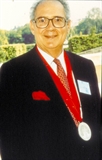
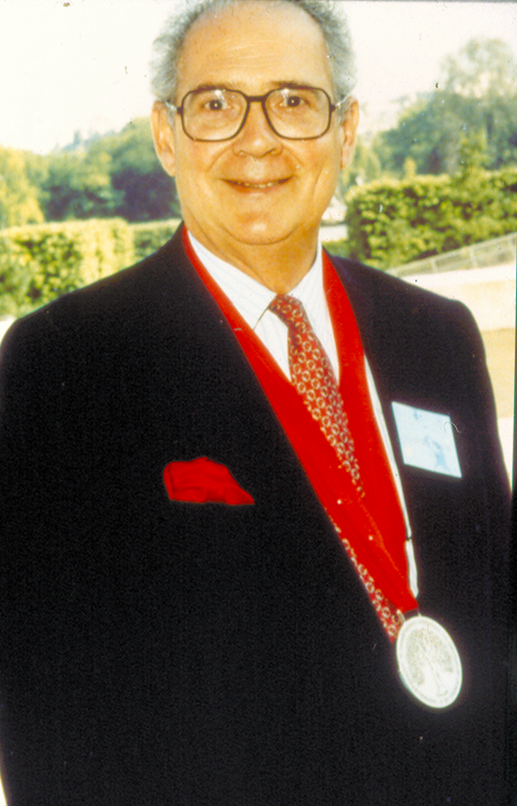 Raymond Roy-Camille: A Pioneer in Spine Surgery
Raymond Roy-Camille was born in 1927 on the French island of Martinique. He spent his formative years on Martinique before moving to Paris to attend the Faculty of Medicine immediately after World War II. After medical school, he dedicated a year to studying and teaching anatomy, laying a strong foundation for his future contributions to spine surgery.
He began his orthopaedic career as an assistant to Professor Robert Judet, a renowned French orthopedic surgeon known for innovations in total hip replacement and trauma. During this period, he worked alongside Emile Letournel, who would later become famous for his work with pelvic fractures. In the early years of his career, Dr. Roy-Camille focused on spine trauma, particularly cervical spine trauma.
Collaborating with Professor Judet, he designed and implemented cervical spine lateral mass plates, screws, and methods of occipito-cervical fixation long before these techniques became standard worldwide. They also described the C2 pedicle screw fixation technique, all based on Dr. Roy-Camille’s precise anatomical studies of the cervical spine. His method of using lateral mass screws for cervical spine fixation remains largely unchanged today.
There, he established a spine unit that quickly gained international acclaim. Under his leadership, the unit trained many spine surgeons who propagated his innovative ideas globally.
Development of the Roy-Camille Screw and Plate System
He developed the Roy-Camille screw and plate system for thoracic and lumbar spine fusions. Initially used for spine trauma, this system was later applied to degenerative lumbar decompression and fusion, spine deformity, and spine tumors. His fixation systems were rooted in concise anatomical studies of the spine, reflecting his early training in anatomy. His seminal paper on internal fixation of the lumbar spine was published in 1986 ¹. It described his pedicle screw fixation techniques, which revolutionized spinal surgery by providing a more stable method for spinal fusion and reconstruction. This work laid the groundwork for many modern safe and effective spinal fixation techniques and has been cited extensively in subsequent research and clinical practices.
In collaboration with his trainee, Professor Gerard Saillant, Dr. Roy-Camille precisely mapped thoracic and lumbar pedicles, describing their average diameter, inclination, and the appropriate screw lengths. This foundational work has been widely referenced and reassessed, remaining valid to this day. He was also the first to use bilateral segmental pedicle screws for scoliosis correction, a technique he termed the “Milliped” construct. Recognizing the challenges of accurately placing screws down the pedicle medullary cavity, he advocated the “Droit Devant” (straight ahead) method. This technique involved drilling a screw hole straight down parallel to the spinous process, ensuring adequate purchase for long constructs and minimizing the risk of screw misplacement. “Droit Devant!” (“Straight Ahead!”) then became the motto of his group at the Pitie Salpetriere Hospital.
Dr. Roy-Camille was a trailblazer in various aspects of spine surgery. He was among the first to describe methods for reducing and fixing high-grade spondylolisthesis, spinopelvic fixation, and performing total “en bloc” vertebrectomy for spinal tumors. As an inspiring teacher and leader, his influence extended through his many fellows, who continue to hold prominent academic and surgical positions worldwide. Known for his charm and appreciation of fine wine, he was honored with the Legion of Honour, France's highest order of merit for both military and civil achievements.
Dr. Raymond Roy-Camille’s contributions to spine surgery have left an indelible mark on the field, and his legacy endures through the many surgeons he trained and the innovations he pioneered.
References
(1). Roy-Camille R, Sailant G, Mazel C. Internal Fixation of the Lumbar Spine with Pedicle Screw Plating. Clin Orthop Rel Res 1986; 203: 7-17
Written by: Andrew G. King, MB ChB, FRACS, FACS and Richard M. Schwend, MD
John E. Hall, MD
Jacquelin Perry, MD, DSc (Hon), FAOA
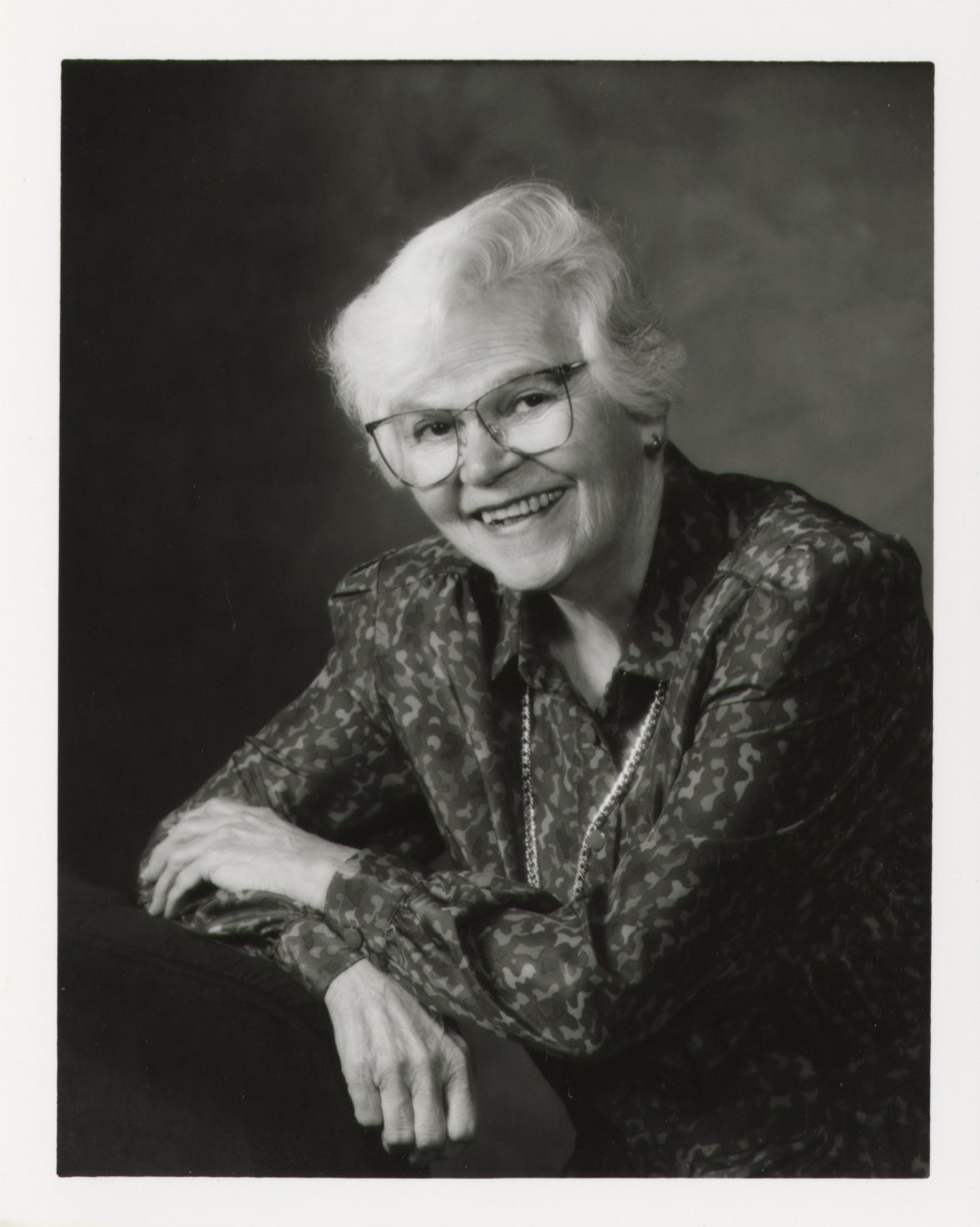
The biographies of other founding members of the Scoliosis Research Society have many similarities in their training and work, but Jacquelin Perry’s story is different in many ways. One obvious way is that she was the only woman founding member of the society. When she started out on orthopedics in 1955, she was one of only 10 female orthopedic surgeons in the United States. But she herself said that being a woman was never an issue in her career. “It never stopped me from getting what I wanted!”
Growing up in Denver Colorado, she had decided she wanted to be a doctor from the age of 10, and “read every available medical journal and textbook at her local library.”
Her medical career started with her gaining a certificate in physical therapy from Walter Reed Army General Hospital, in Bethesda Maryland, in 1941. This was during World War II. With this certificate, she went to work as a physical therapist for the army, caring for soldiers injured in the war and repatriated to Walter Reid Hospital. This work laid the groundwork for her future passion for orthopedic rehabilitation and her being an advocate for physical therapy as an essential part of orthopedic rehabilitation.
She obtained Her MD from the University of California, San Francisco, in 1950 and did her internship and residency in general surgery at the Children's Hospital of San Francisco. This was followed by a residency in orthopedic surgery at the University of California, Los Angeles. She then joined the staff of Rancho Los Amigos National Rehabilitation Centre in Downey, where she stayed for the remainder of her career. She became a professor in the department of orthopedics at the University of Southern California School of Medicine in 1965. Over the years, her titles at the Rancho Los Amigos hospital included: Chief of the Patho kinesiology service, Director of the quality assurance program, and Chief of the polio and gait clinic.
She strongly believed in the scientific evaluation of all aspects of orthopedic care, and curriculum vitae lists an extraordinary 402 publications in refereed journals. Many of the early publications shared co-author and colleague at Rancho Los Amigos, Doctor Verne Nickel. And many of the scoliosis publications examined treatments for paralytic scoliosis, cerebral palsy, and spinal cord injury.
Scoliosis and other orthopedic problems related to polio featured prominently in her early career. After the incidence of polio dropped dramatically with vaccination, she retained an interest in post-polio syndrome.
Her publications also revealed that her interest and work were pivotal in the beginning of gait analysis laboratories, electromyography, and bioengineering solutions for orthopedic problems. She pioneered the use of computers, video, and other electronic equipment to diagnose and treat her patients One publication I noted was on the Electromyographic Analysis of the golf swing!
At the Rancho Los Amigos, she showed her great ability to put together teams of experts from across the spectrum of orthopedic and therapeutic care and direct these teams to solve the most difficult problems. As word spread of her success, surgeons from around the world with similar interests were attracted to study and work with her at the Rancho. She was named Physician of the Year in 1994 by the State of California. She was given the Achievement Award in the year 2000, by the Gait and Clinical Movement Society. Her book "Gait Analysis: Normal and Pathological Function" is still considered a seminal text for orthopedic surgeons, physical therapists and others in the rehabilitation field.
In later life, a stroke hardly slowed her down! Her last publication was in 2008, and in the same year she gave the lifetime achievement award address at the Scoliosis Research Society meeting in Salt Lake City, both at the age of 90! She was the second president of the Ruth Jackson Society, a society formed for female Orthopedic surgeons.
The Perry Initiative, founded in 2009 by Dr. Jenni Buckley (a mechanical engineer) and Dr. Lisa Latanza (an orthopedic surgeon), is a society that stimulates interest in biomechanics and orthopedic surgery for women, and was named in her honor.
She died in 2011 at the age of 94 after a truly a remarkable and unique career.
Louis Arnold Goldstein, MD
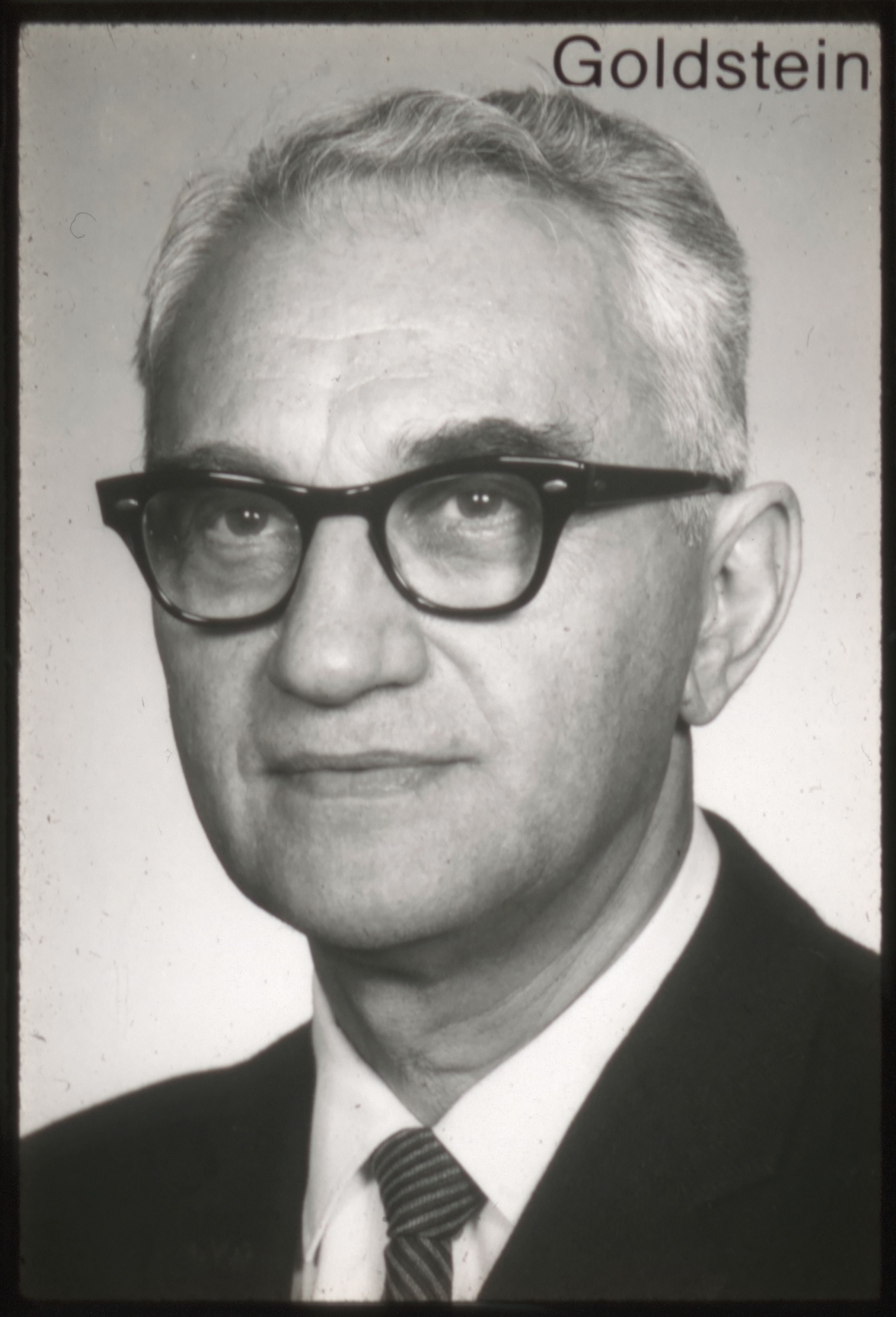
Dr. Louis Arnold Goldstein, affectionately known as “L.A.G.,” was a trailblazer in the field of spinal deformity surgery. Born on April 15, 1907, in Spring Valley, New York, he grew up in a modest Jewish family as one of six children. Despite a challenging start due to a severe speech impediment, Dr. Goldstein’s determination and intellect shaped a distinguished career in medicine.
Goldstein graduated cum laude from Alfred University in 1928, where he was deeply involved in biological research, including studies on Drosophila melanogaster. His academic excellence earned him a place at the University of Rochester School of Medicine and Dentistry, where he pursued medical studies under luminaries such as Nobel laureate Dr. George Whipple. Initially inclined toward internal medicine, Dr. Goldstein found his true calling in surgery. Initially disliking orthopedics, he was personally asked by Dr. R. Plato Schwartz, chief of the newly formed Division of Orthopedics in the Department of Surgery to join him in training. During his training a visit to Rochester by Professor Marius Smith-Petersen started a close personal relationship that had a profound effect on Dr. Goldstein’s future in medicine.
After completing his residency in orthopedics in 1936, he was invited by Dr. Smith-Petersen for a traveling fellowship at Massachusetts General Hospital and Boston Children's Hospital. There, he encountered renowned figures such as Dr. Joseph Barr, who introduced him to scoliosis treatment techniques such as the turnbuckle casting method and spinal fusion procedures, and he participated in the Vermont Poliomyelitis Clinics, treating post-polio patients. This period marked the genesis of his lifelong commitment to improving scoliosis care.
Dr. Goldstein returned to Rochester in 1937, where Dr. Schwartz encouraged him to address scoliosis, a field mired in confusion at the time. With characteristic diligence, he sought out further educational experiences including work at local polio and tuberculosis clinics, pursued extensive overseas travel, and obtained mentorship from Albert Ferguson, a radiologist at the New York Orthopedic Hospital. By 1939, he had initiated an organized scoliosis treatment program at the University of Rochester, which became a cornerstone of his career.
World War II interrupted his practice, but his military service was pivotal. As chief of the 19th General Hospital in France, he treated combat injuries and pioneered bone grafting techniques using autografts, which later revolutionized orthopedic surgery. These experiences refined his surgical expertise and reinforced his commitment to patient care.
After the war, Dr. Goldstein returned to Rochester, where he balanced private practice with academic roles at the University of Rochester. He became a professor and later chair of the Orthopedic Surgery Department, emphasizing research, mentorship, and innovative treatments. He was a driving force behind the creation of the text The Surgical Treatment of Scoliosis, which provided a multidisciplinary framework for managing spinal deformities.
As a founding member of the Scoliosis Research Society, Dr. Goldstein was integral in developing scoliosis nomenclature and classification. He was elected president at the 1976 Annual Meeting in Ottawa, Canada. Due to Illness, he was unable to preside over Hong Kong meeting in 1977, where Dr. Kirkland Ashley served in his place. His dedication to the SRS and research is commemorated by the Louis A. Goldstein Award given each year to the best clinical research poster at the annual meeting. He served as Chief of the Division of Orthopedic Surgery from1969-1974 and was a driving force in the change to the Department of Orthopedic Surgery at the end of his tenure as Chief in Rochester. He also established the Louis A. Goldstein Spine Fellowship Program, training generations of spine surgeons who continue his legacy. Notable for his calm demeanor and meticulous approach, he was widely respected for advancing techniques that improved patient outcomes while advocating for community health initiatives like affordable healthcare through the Genesee Valley Blue Cross.
Dr. Louis Arnold Goldstein passed away in 1996, leaving behind a monumental legacy in medicine. His life exemplifies the transformative impact of dedication, mentorship, and relentless pursuit of excellence.
Ronald Dewald, MD
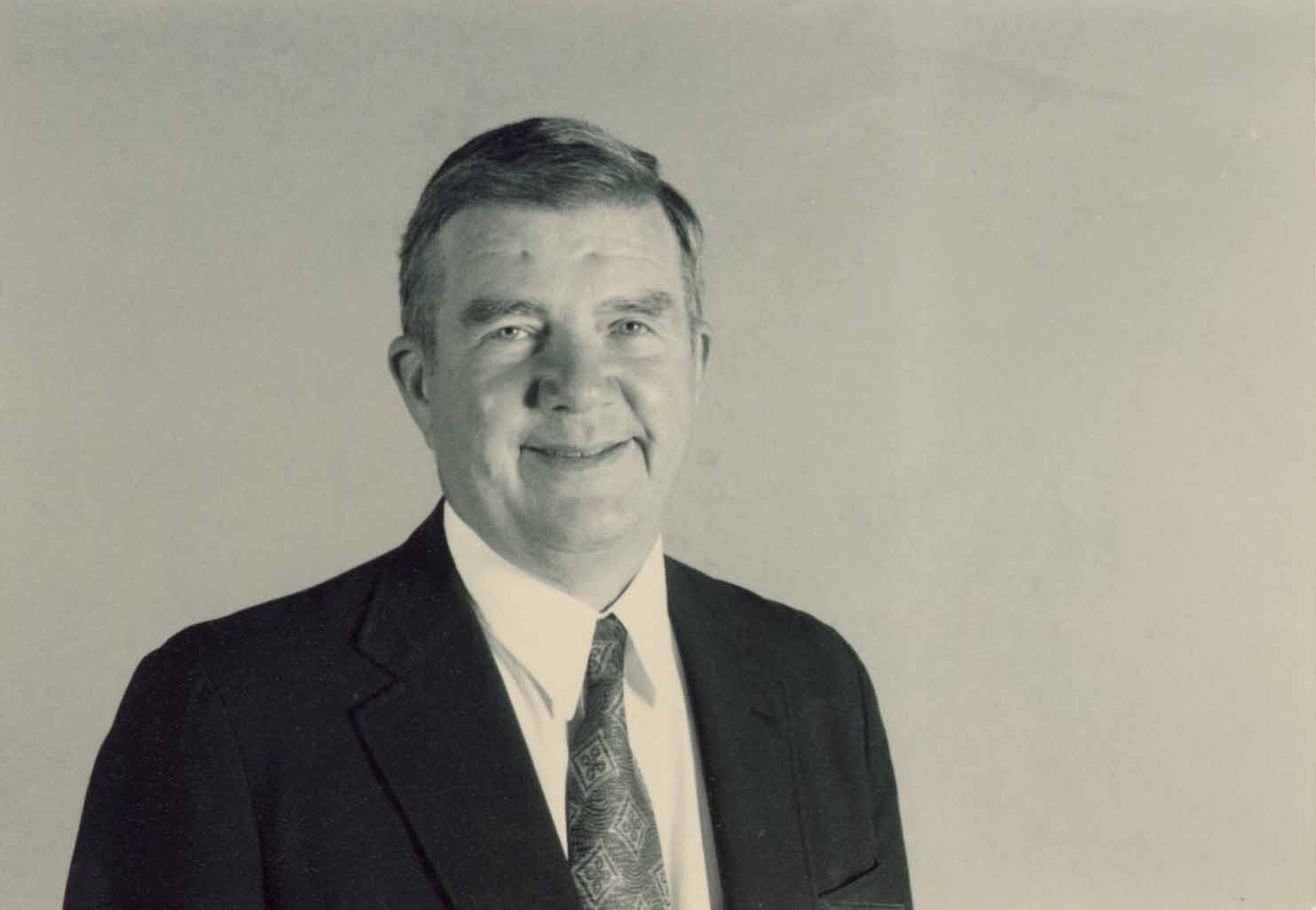
Ronald Dewald, MD: A Visionary in Spinal Deformity Surgery
Dr. Ronald Dewald began his orthopedic residency at the University of Illinois Hospital in 1960. During his third year, he witnessed a groundbreaking moment when Dr. Paul Harrington, a renowned scoliosis surgeon, performed a procedure stabilizing the spine and pelvis with his namesake instrumentation. “I was awestruck!” Dr. Dewald later recalled, marking this as the beginning of his passion for spinal deformity surgery. This newfound interest drove Dewald to focus his research presentations on scoliosis during the residency annual thesis days. Scouring the sparse literature, he recognized the need for advancements in this field.
His academic pursuits were interrupted when he was drafted into the military in December 1961. Despite being a junior resident, he served as an orthopedic surgeon, attaining the rank of captain in the U.S. Army Medical Corps, stationed at the famous Valley Forge General Hospital in Pennsylvania. Dewald participated in weekly grand rounds where orthopedic staff reviewed patients’ cases. He prepared soldiers to present their medical histories concisely, a practice he found so effective that he adopted it throughout his career, incorporating it into the training of fellows and residents. He once commented “This routine will continue the rest of my career!” After two years of active duty, he returned to Chicago to finish his residency and was invited to join the University of Illinois faculty to lead the scoliosis clinic.
Dewald’s dedication to scoliosis research led him to a pivotal meeting with Dr. John Moe and Dr. David Levine in Minneapolis. Their shared vision of advancing scoliosis treatment culminated in the founding of the Scoliosis Research Society (SRS). Although initially met with limited interest from orthopedic residents, Dewald’s growing reputation drew aspiring surgeons from across the globe to pursue fellowships under his guidance.
Having trained during a transformative era, Dewald stood at the crossroads of traditional treatments involving casts and push-pull devices and the modern era of spinal instrumentation pioneered by Dr. Harrington. He became an early advocate of instrumentation at a time when it was regarded with skepticism. His commitment to innovation took him on international collaborations, including a 1971 visit to Dr. Arthur Ralph Hodgson in Hong Kong. There, Dewald introduced the Halo Hoop to Dr. Hodgson, a traction device he developed, and honed his skills in anterior spinal surgery while addressing cases of Pott’s disease with the “Hong Kong Operation”.
In 1973, Dewald joined Rush Medical College in Chicago, where he quickly established a thriving surgical and teaching practice. Nurse Mary Rodts joined him in 1975, becoming a cornerstone of his team for many years. His first fellow, Dr. Dan Benson, later became an SRS president, exemplifying the enduring impact of Dewald’s mentorship.
Throughout his career, Dewald actively sought to expand his knowledge and share it with the global spine community. He visited Dr. Klaus Zielke in Germany, where he learned anterior correction techniques for lumbar scoliosis, and Drs. Daniel Chopin and Pierre Stagnara in France, further refining his surgical expertise. In Mexico City, he observed Dr. Eduardo Luque’s innovative procedures. These experiences enriched his teaching and helped shape modern spine surgery practices.
In addition to his clinical work, Dewald contributed to scholarly advancements. He joined Dr. Henry LaRocca as an associate editor for Spine, a journal launched in 1976. He attended the first European Spine Society meeting in Dubrovnik, Yugoslavia, in 1982, marking another milestone in the global dissemination of spinal deformity knowledge.
Dewald’s contributions coincided with a surge in interest in spine deformity surgery. His fellowship program at Rush was among the first, training over 75 spine fellows by the 1980s, many of whom established their own programs. Dr. Keith Bridwell, one of Dewald’s fellows, founded a fellowship at Washington University, mentoring prominent surgeons like Dr. Larry Lenke, who in turn was Dr. Bridwell’s first fellow. Drs. Bridwell and Dr. Lenke were both SRS presidents.
In 1999, Dewald delivered the prestigious Harrington Lecture at the 34th SRS Annual Meeting in San Diego for the second time, an honor reflecting his stature in the field. His career aligned with the emergence of numerous professional societies, including the North American Spine Society and the Cervical Spine Research Society, which fostered collaboration and innovation in spinal deformity treatment.
Scholars of modern scoliosis history highlight Dewald’s pivotal roles in advancing the basic science of scoliosis, developing safe and effective surgical techniques, and inspiring generations of surgeons, researchers, and caregivers. His work not only transformed patient outcomes but also established centers of excellence around the world.
Dr. Ronald Dewald’s legacy as a trailblazer in spinal deformity surgery is enduring, marked by a career devoted to innovation, education, and global collaboration.
Louis Arnold Goldstein, MD
Dr. Louis Arnold Goldstein, affectionately known as “L.A.G.,” was a trailblazer in the field of spinal deformity surgery. Born on April 15, 1907, in Spring Valley, New York, he grew up in a modest Jewish family as one of six children. Despite a challenging start due to a severe speech impediment, Dr. Goldstein’s determination and intellect shaped a distinguished career in medicine.
Goldstein graduated cum laude from Alfred University in 1928, where he was deeply involved in biological research, including studies on Drosophila melanogaster. His academic excellence earned him a place at the University of Rochester School of Medicine and Dentistry, where he pursued medical studies under luminaries such as Nobel laureate Dr. George Whipple. Initially inclined toward internal medicine, Dr. Goldstein found his true calling in surgery. Initially disliking orthopedics, he was personally asked by Dr. R. Plato Schwartz, chief of the newly formed Division of Orthopedics in the Department of Surgery to join him in training. During his training a visit to Rochester by Professor Marius Smith-Petersen started a close personal relationship that had a profound effect on Dr. Goldstein’s future in medicine.
After completing his residency in orthopedics in 1936, he was invited by Dr. Smith-Petersen for a traveling fellowship at Massachusetts General Hospital and Boston Children's Hospital. There, he encountered renowned figures such as Dr. Joseph Barr, who introduced him to scoliosis treatment techniques such as the turnbuckle casting method and spinal fusion procedures, and he participated in the Vermont Poliomyelitis Clinics, treating post-polio patients. This period marked the genesis of his lifelong commitment to improving scoliosis care.
Dr. Goldstein returned to Rochester in 1937, where Dr. Schwartz encouraged him to address scoliosis, a field mired in confusion at the time. With characteristic diligence, he sought out further educational experiences including work at local polio and tuberculosis clinics, pursued extensive overseas travel, and obtained mentorship from Albert Ferguson, a radiologist at the New York Orthopedic Hospital. By 1939, he had initiated an organized scoliosis treatment program at the University of Rochester, which became a cornerstone of his career.
World War II interrupted his practice, but his military service was pivotal. As chief of the 19th General Hospital in France, he treated combat injuries and pioneered bone grafting techniques using autografts, which later revolutionized orthopedic surgery. These experiences refined his surgical expertise and reinforced his commitment to patient care.
After the war, Dr. Goldstein returned to Rochester, where he balanced private practice with academic roles at the University of Rochester. He became a professor and later chair of the Orthopedic Surgery Department, emphasizing research, mentorship, and innovative treatments. He was a driving force behind the creation of the text The Surgical Treatment of Scoliosis, which provided a multidisciplinary framework for managing spinal deformities.
As a founding member of the Scoliosis Research Society, Dr. Goldstein was integral in developing scoliosis nomenclature and classification. He was elected president at the 1976 Annual Meeting in Ottawa, Canada. Due to Illness, he was unable to preside over Hong Kong meeting in 1977, where Dr. Kirkland Ashley served in his place. His dedication to the SRS and research is commemorated by the Louis A. Goldstein Award given each year to the best clinical research poster at the annual meeting. He served as Chief of the Division of Orthopedic Surgery from1969-1974 and was a driving force in the change to the Department of Orthopedic Surgery at the end of his tenure as Chief in Rochester. He also established the Louis A. Goldstein Spine Fellowship Program, training generations of spine surgeons who continue his legacy. Notable for his calm demeanor and meticulous approach, he was widely respected for advancing techniques that improved patient outcomes while advocating for community health initiatives like affordable healthcare through the Genesee Valley Blue Cross.
Dr. Louis Arnold Goldstein passed away in 1996, leaving behind a monumental legacy in medicine. His life exemplifies the transformative impact of dedication, mentorship, and relentless pursuit of excellence.
Robert N. Hensinger, MD
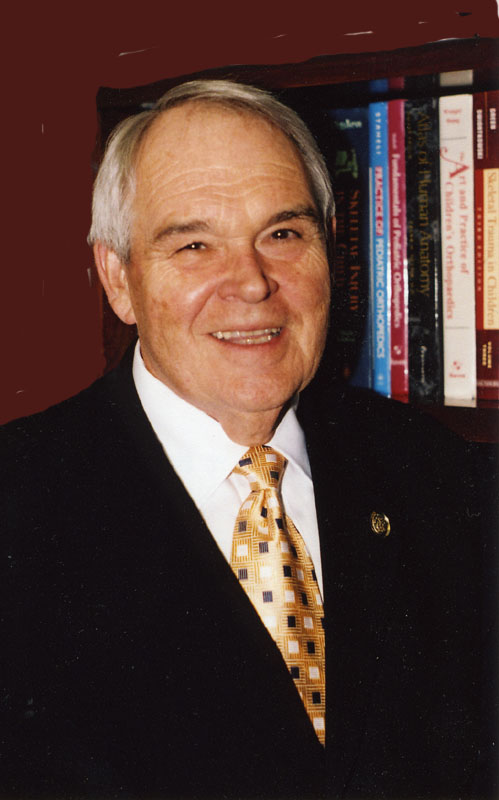
Robert N. (Bob) Hensinger, MD
Introduction
Robert N. Hensinger, MD, is a distinguished leader in pediatric orthopaedics and spinal deformity surgery whose career helped transform the treatment of pediatric spine deformity. He is among only two pediatric orthopaedic surgeons to have held the presidency of AAOS, SRS and POSNA. The other was Dr. Vernon Tolo. Dr. Hensinger’s career reflects the development of modern pediatric orthopaedics and spinal deformity surgery. His contributions to clinical care, academic publishing, organizational leadership, and beloved mentorship have had a sustained influence on the field and on the Scoliosis Research Society.
Early History
Dr. Hensinger was born in Jackson, Michigan on November 3, 1938, and raised in a community closely linked to Ann Arbor. He showed early academic promise and distinction, graduating as valedictorian of St. Mary’s High School (1956). His formative years in Michigan established a lifelong commitment to the University of Michigan and its academic medical community.
Education and Training
Dr. Hensinger completed both his undergraduate and medical education at the University of Michigan (BA, 1960; MD, 1964). He remained at Michigan for internship and general Surgical training (1964-1966) before serving in the United States Navy (1966-1968), as a Submarine Medical Officer aboard the nuclear submarines USS Thomas Jefferson and the USS Robert E Lee. During this time, he made three underwater patrols of 64 days each. Orthopaedic residency training brought him back to the University of Michigan under the direction of William S. Smith (1968-1971). He then joined G. Dean MacEwen (1971-1974) at the Alfred I. duPont Institute. Under Dr. MacEwen’s influence, he developed his lifelong interest in pediatric orthopaedics.
Career Development
In 1974, he returned to the University of Michigan to establish and assume leadership of Pediatric Orthopaedics. He became full professor in 1981 and later served as Section Head of Orthopaedic Surgery (1996). During his tenure, orthopaedics grew to become an independent department in 2001. He was the named the William S. Smith Collegiate Professor of Orthopaedic Surgery. In 2010, he became Emeritus Professor in the Department of Orthopaedic Surgery and he has been honored with a named Collegiate Professorship.
SRS, POSNA, and AAOS Leadership
His involvement in the Scoliosis Research Society included service as secretary (1982-1986) and president (1988-1989), during which time the Society expanded its international engagement, including early collaborative meetings with European spine organizations. His leadership with SRS provided a foundation for major advances in spinal deformity surgery, such as the evolution of intraoperative neurologic monitoring, improved instrumentation techniques, and the development of multicenter registries to better understand complications.
Dr. Hensinger served as the president of the Pediatric Orthopaedic Society of North America (1985-1986) and the American Academy of Orthopedic Surgeons (1992-1993). His presidential leadership positions helped establish orthopaedic educational and professional initiatives, including the Journal of the American Academy of Orthopaedic Surgeons, the AAOS Washington Office, and the AAOS Learning Center.
Academic Achievements
Dr. Hensinger’s academic contributions are extensive. In 1980 he co-founded the Journal of Pediatric Orthopaedics with Dr.Lynn Staheli. In 2004 Dr. Staheli retired and Dr. George H. Thompson became Co-Editor with Dr. Hensinger. JPO is the main international journal fostering the dissemination of pediatric orthopaedic knowledge to generations of pediatric orthopaedic surgeons.
Scholarly works include over 200 published peer-reviewed articles,12 textbooks and 40 book chapters addressing pediatric spinal deformity, cervical spine disorders, and related conditions. In Dr. Hensinger’s own opinion one of his most notable contributions was working with Dr. Frank F. Netter in his creation of Volume 8 - The Musculoskeletal System. Novartis Pharmaceutical Corporation, 1990. He has also published two Ciba Clinical Symposia with Dr. Netter – Congenital Dislocation of the Hip and Spinal Deformities – Scoliosis and Kyphosis.
Other accomplishments included the development of clinical concepts in pediatric cervical spine pathology and neuromuscular deformity, and participation in the advancement of supportive technologies, such as positioning and immobilization devices used in the care of children with spinal conditions.
Honors and Awards
Numerous honors recognize his contributions to orthopedics and spinal deformity surgery. These include the Russell Hibbs Award of the Scoliosis Research Society, the Arthur H. Huene Memorial Award of POSNA, The POSNA Distinguished Achievement Award, the Harrington Lecture of the SRS, and multiple distinguished service and achievement awards, including the University of Michigan Medical Center Alumni Society Distinguished Service Award. In 2021, he was awarded the Scoliosis Research Society Lifetime Achievement Award in recognition of his sustained contributions to spinal deformity.
Personal Life
Dr. Hensinger married his wife Barbara in 1986. They have five children between them, five grandchildren and five step grandchildren. Throughout his career, he has maintained avid interest in golf, travel and musical theater and, of course, his beloved JPO.
Summary
Through five decades of clinical care, research, education, and organizational leadership, Dr. Hensinger helped shape modern pediatric orthopaedics and spine deformity. His influence continues through the generations of surgeons he trained, the literature he helped to create, and patients whose care was advanced by his work.
Obituaries
Rolando Puno, MD | 1953 - 2025
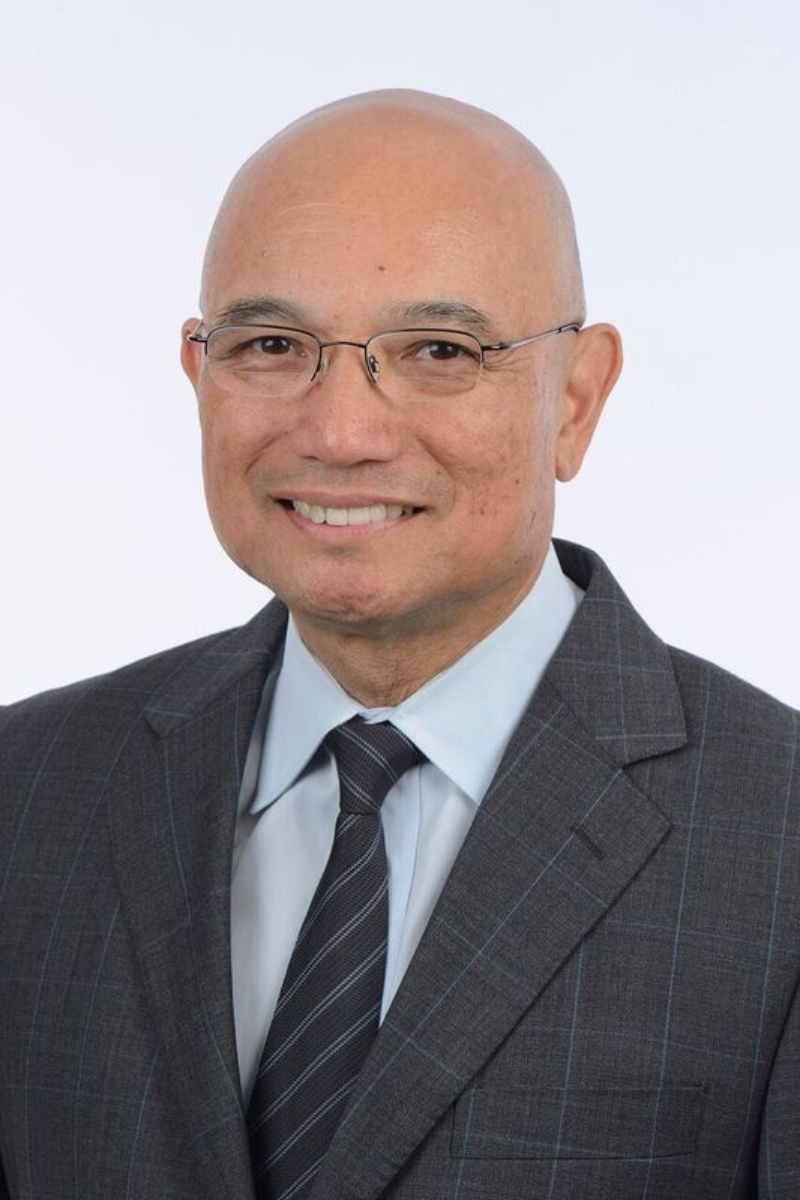
Rolando (“Randy” to his friends) Madrid Puno, MD, passed away in Louisville, Kentucky, on October 10, 2025, at the age of 71, following a courageous battle with bulbar-onset ALS. He was an accomplished orthopaedic spine surgeon, inventor, and a devoted husband and father.
Dr. Puno was born on November 22, 1953, in Manila, Philippines, to Jesusa Madrid and Rufino Puno. From a young age, Randy was inquisitive and ingenious. He loved building things in his father’s shop and was fascinated by understanding how things worked. He began his education at the Don Bosco Technical Institute and later attended the University of Santo Tomas, initially majoring in engineering before switching to pre-medicine. He earned his medical degree in 1977 from the University of the East Ramon Magsaysay Medical Center and completed his orthopaedic residency at the University of the Philippines Philippine General Hospital. It was there that his interest in biomechanics and mechanical design began to flourish.
Randy was awarded a fellowship in total joint and trauma surgery in Minneapolis but soon developed a strong interest in spine surgery, recognizing the need for innovation in the field. He subsequently completed a spine fellowship at the Twin Cities Scoliosis Center—the premier center for spinal deformity treatment at that time.
At Twin Cities, Randy collaborated with Robert Winter and Abbott Byrd to develop new implants and instruments, known as PWB implants, designed to make spine surgery safer and more effective. When Dr. Moe invited Art Steffee to demonstrate his pedicle screw and plate system, Randy and his colleagues recognized that while innovative, it was not suited for deformity correction. Intrigued by the pedicle screw concept, Randy envisioned a design that could securely hold a rod. He conceived of attaching a “tulip” to the screw head and, through further refinements, developed a monoaxial screw with a locking tulip mechanism—effectively the prototype of the modern pedicle screw used today. His later innovations led to the development of the polyaxial pedicle screw, one of his signature contributions to spinal instrumentation. Over time, he received numerous patents for his biomechanical inventions, several of which are now displayed in the Harrington Archives at the University of Kansas in Kansas City.
Randy joined the Norton Leatherman Spine Center in Louisville, where he spent more than 30 years treating patients and mentoring the next generation of spine surgeons. He was known for his extraordinary surgical skill, innovative thinking, and compassionate patient care. Throughout Louisville, people would often stop him in public simply to thank him for “taking care of their backs,” a reflection of the deep gratitude he inspired in his patients.
Outside of medicine, Randy lived life with energy and curiosity. He was a lifelong athlete—playing soccer in college, running marathons beginning in his 40s, and enjoying bicycling, surfing, and snowboarding. He and his wife, Regina, shared a love of travel and international cuisine, which inspired his passion for cooking. Randy was famous among friends and family for preparing elaborate multi-course dinners and for hosting memorable Thanksgiving gatherings, often saving seats for fellows who couldn’t travel home for the holidays. Though somewhat reserved, he was the life of any gathering he hosted.
Dr. Puno is survived by his wife, Regina, and their children, Risa and Ronnie, of whom he was immensely proud. He will be fondly remembered by his longtime partners at the Norton Leatherman Spine Center, the many fellows he trained, and the countless colleagues who benefited from his generosity and mentorship.
Alistair Graham Thompson
(October 4, 1942 – October 7, 2025)
The Scoliosis Research Society (SRS) recently lost one of its prominent international members. Alistair G. Thompson was born on October 4, 1942, and died on October 7, 2025, after a long illness. He was 83 years of age.
Mr. Thompson was raised and educated in the United Kingdom. He attended school at Epsom College and then studied medicine at the University of Birmingham. During a medical student elective, he toured North America and attended a lecture at the University of Minneapolis given by the chief resident, Bill Kane, MD, a future SRS member. This inspired him to consider a career in scoliosis. He was later a senior registrar with Harry Piggott at the Royal Orthopaedic Hospital, who furthered his interest in pediatric spinal deformity. He learned thoracic surgery with Jack Collis in Warwick. After his senior registrar training, he went to Hong Kong and studied with Arthur Yau, MD, who had just replaced Arthur Hodgson, MD, at the Duchess of Kent Hospital. This was one of the highlights of his career.
In 1977, Mr. Thompson was appointed consultant to the Royal Orthopaedic Hospital and the Birmingham Children’s Hospital. During his career, he had numerous trainees and Australian fellows—all of whom benefited from his encyclopedic knowledge of medicine and surgery and his incredible technical skills. According to PubMed, he published 15 peer-reviewed articles devoted to pediatric spinal deformity.
Academically, he was a fellow and examiner of the Royal College of Surgeons of Edinburgh, a fellow of the British Orthopaedic Association (BOA), the SRS, and the British Scoliosis Society (BSS), of which he was a founding member and one of its past presidents.
Mr. Thompson retired from clinical practice in 2013 at the age of 71 but remained academically active. He is survived by his beloved wife of more than 20 years and two children from his previous marriage. He will be sadly missed and fondly remembered by all who knew him, nationally and internationally, especially his SRS friends.
Hamlet Albert Peterson, MD |1932–2025
In Memoriam: Hamlet Albert Peterson, MD (1932–2025). Professor Emeritus of Orthopaedic Surgery, Mayo Clinic, Rochester, Minnesota
Dr. Hamlet A. Peterson was one of the world’s foremost authorities on the growth plate and a visionary leader of modern pediatric orthopaedics. A consummate scholar, surgeon, and mentor, he combined clinical precision with scientific curiosity. His calm demeanor and exacting standards shaped the training of generations of surgeons.
Early History
Hamlet Albert Peterson, who went by “Ham”, was born in 1932 in Decorah, Iowa, to Hamlet and Thelma Peterson, part of a Norwegian American family steeped in faith, community, and scholarship. He graduated from Decorah High School, where he excelled in multiple sports, earning all-state honors as a quarterback. At Luther College, he continued his leadership on both football and basketball teams, guiding them to several conference championships. His athletic achievements later earned him induction into the Luther College Athletic Hall of Fame, reflecting the discipline and teamwork that characterized his medical career.
Education and Training
Dr. Peterson earned his BA in Biology from Luther College in 1954 and his MD from the University of Iowa in 1958. Following an internship at the District of Columbia General Hospital, he served 3 years as a medical officer in the U.S. Air Force in Wiesbaden, Germany. In 1962, he entered the orthopaedic residency program at the Mayo Clinic, where his intellectual rigor found a permanent home. His fascination with pediatric bone development led him to a fellowship in pediatric orthopaedics under the legendary Dr. Mervyn Tachdjian at Children’s Memorial Hospital in Chicago, where he was among Dr. Tachdjian’s first fellows. These experiences refined his clinical acumen and ignited his lifelong study of the physis.
Career Development
Dr. Peterson joined the Mayo Clinic staff in 1967 and quickly established himself as a thoughtful surgeon and investigator. In 1968, he performed one of the first successful resections of a partial premature physeal arrest in the United States—an operation that revolutionized management of growth disturbances and challenged the assumption that physeal injury inevitably resulted in deformity. He became Professor of Orthopaedic Surgery and Chief of the Division of Pediatric Orthopaedics, positions he held until his retirement from surgical practice in 1997 at age 65. After retiring from active surgical practice, he hardly slowed: he continued to consult on difficult cases from around the world, to review manuscripts, and to write. His office at Mayo was a frequent destination for visiting surgeons seeking both mentorship and collaboration.
Academic Achievements
A prolific scholar, Dr. Peterson authored 111 scientific papers and 36 book chapters, as well as two landmark monographs—Epiphyseal Growth Plate Fractures (Springer, 2007) and Physeal Injury Other Than Fracture (Springer, 2012). These works synthesized decades of data, illustrated mechanisms of injury and repair, and continued to guide both clinical decision-making and research. His detailed documentation and insistence on long-term follow-up set a standard for evidence in pediatric orthopaedics. In 1974, together with Henry Cowell and Lynn Staheli, he hosted the first meeting of the Pediatric Orthopaedic Study Group in Rochester, often recalled as dinner in his own home. That small meeting evolved into the Pediatric Orthopaedic Society of North America (POSNA), now one of the field’s most influential professional societies. Dr. Peterson later served as POSNA’s first treasurer and remained active in both POSNA and the Scoliosis Research Society (SRS) throughout his career. He often reminded trainees that “the pen is mightier than the scalpel,” urging them to document, analyze, and publish their experiences. In that spirit, he established the Mayo Clinic Resident Research Award to encourage young investigators to contribute to scientific literature.
Honors and Awards
Dr. Peterson’s contributions were recognized through numerous professional honors. Within POSNA, he twice received the award for Best Clinical Paper and was the recipient of the Albert H. Huene Memorial Award (1996), the POSNA Distinguished Achievement Award (2003), and inaugural induction into the POSNA Hall of Fame (2019). He was a visiting professor at many universities and a revered presence at SRS and POSNA annual meetings, where his comments from the floor were brief, incisive, and instructive. His enduring influence is reflected not only in the scientific literature but also in the professional values of accuracy, humility, and mentorship that he embodied. Yet the honors he seemed to prize most were neither plaques nor titles but the letters from former trainees in which a childhood limb saved became a career inspired.
Personal Life
He married Suzanne Lynn Shortall in 1988, and she became his close collaborator, providing research and editorial support for his books and publications. Together they shared an enduring partnership of intellect, travel, and adventure. Outside medicine, Dr. Peterson’s vitality was evident in his lifelong love of athletics and the outdoors. He played competitive tennis well into his 90s—his deft drop shot, the “Hammie,” was legendary among younger opponents. He led annual canoe expeditions through the Boundary Waters, hiked the Sierras, and, at age 80, guided his family to the summit of Gaustatoppen, Norway, his ancestral mountain. Friends and colleagues recall his warmth, humor, and quiet pride in his family. He is survived by Suzanne; his 3 children Erik, Heidi, and Nils; and 6 grandchildren, whose accomplishments gave him great joy.
Legacy
Dr. Hamlet Peterson’s work endures wherever a surgeon considers the growth plate—not as a fragile afterthought but as a biological wonder, deserving understanding and respect. Surgeons opening a child’s distal femur or proximal tibia still consult his pages to weigh whether a bar should be crossed, excised, or simply watched. His careful reasoning, gentle mentorship, and unpretentious integrity left a permanent mark on both pediatric and spine surgery. For the many who sought his counsel, his response was always thoughtful and complete, a reflection of his belief that every question deserved his best attention. In the story of pediatric orthopaedics, Dr. Peterson stands among the founders who gave the field its modern footing. His pen, indeed, proved mightier than the scalpel.
Dr. Peterson died peacefully in Rochester, Minnesota, on August 26, 2025, at age 93 years, after a brief illness.
Daniele A. Fabris-Monterumici, MD | 1948–2025
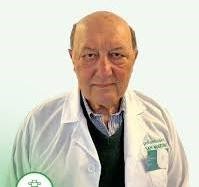
It is with deep sadness that we share the passing of Dr. Daniele A. Fabris-Monterumici, a respected colleague, friend, and Emeritus Member of the Scoliosis Research Society, who passed away on May 2, 2025. He was 77.
Born on March 11, 1948, Dr. Fabris-Monterumici earned his degree in Medicine and Surgery at the University of Padua, where he also completed his specialization in Orthopedics and Traumatology. Throughout his distinguished career, he focused on vertebral pathology with particular attention to spinal deformities, trauma, neoplastic conditions, and degenerative spine diseases.
Dr. Fabris-Monterumici authored six monographs and more than 400 scientific publications in the Italian literature. He was a sought-after speaker, having presented at over 500 congresses and six Masters courses in vertebral surgery.
Dr. Fabris-Monterumici was an esteemed member of several professional societies, including the Scoliosis Research Society (USA), the Italian Society of Vertebral Surgery, the Italian Society of Orthopedics and Traumatology, and the European Spine Society.
We extend our heartfelt condolences to his family, friends, and colleagues in Italy and around the world.
Jean Dubousset, MD | 1936-2025
Obituary
Jean Dubousset, MD, died on May 4, 2025. He was a transformative figure in spinal deformity surgery. A visionary thinker, gifted surgeon, and master teacher, Dr. Dubousset reshaped the way surgeons understand and treat spinal deformities. His enduring legacy includes not only the revolutionary Cotrel-Dubousset instrumentation system, but also a lifelong pursuit to understand posture, growth, and human balance.
Early History
Born in Montferrand, France, on November 16, 1936, Jean Dubousset grew up in a household where craftsmanship and art were cherished. His father was a sign painter and he later became a gifted draftsman, and painter. He helped produce stained glass to restore historic churches. These artistic sensibilities became deeply intertwined with his medical career, shaping his understanding of form, structure, and movement.
Education and Training
He began his medical education locally but later moved to Paris for further specialty training, where he initially considered neurosurgery. But as he often said, neurosurgery was “too depressing” and had “low survival”. His future wife, Anne-Marie, a pioneer in spine surgery anesthesia, gave him a choice: “neurosurgery or me.” He chose her, and, with that, spine surgery. His first experience at the Institut Calot was not as a surgeon, but as a patient after an automobile accident in 1960. There, he met Jean Cauchoix, who would later nominate him to the French National Academy of Medicine, the country’s highest medical honor. He trained and worked under several renowned surgeons in Paris at Hôpital Saint-Vincent-de-Paul, including Robert Merle d’Aubigné, Pierre Petit, and Pierre Queneau. One of his earliest mentors gave him a maxim that became his own guiding principle: “Try to understand before doing”.
He formally entered the Assistance Publique – Hôpitaux de Paris (APHP) system in 1957, eventually becoming a full-time academic surgeon in 1979 at the Chirurgien des Hopitaux. In 1969, Dr. Dubousset traveled to North America with Pierre Stagnara and Christian Saurat, visiting leading spine centers across the U.S. and Canada, including Rancho Los Amigos, Minnesota, Houston (where he met Paul Harrington), New York, and Toronto's Hospital for Sick Children (where he met John Hall). During that trip he attended the 4th Annual Meeting of the Scoliosis Research Society (SRS) in Anaheim, California, cementing lifelong ties with the global spine community.
It was caring for his patients, his astute observation, and his mind open to new ideas that led him to understand the “cone of economy with the chain of balance”. (1) Through human bipedal evolution the body uses only as much motion and energy necessary to balance upright with the head, pelvic vertebra and feet in the gravity line. His frustration with the two-dimensional limitations of radiographs led him to advocate for a three-dimensional view of deformity. “The x-ray is a Chinese shadow of reality,” he said. “We are addicted to the AP view and now even to the sagittal plane. We forget the transverse plane.” This passion led him to work collaboratively with multidiscipline partners to develop the slot-scanning 3D radiographic imaging system (EOS). To reduce the number of lengthening procedures young children with a spine deformity had to endure, Dubousset helped to pioneer the concept of magnetic rod distraction.
His interest in spinal instrumentation found a counterpart in Yves Cotrel, whom he first collaborated with in 1982. The two performed the first Cotrel-Dubousset (CD) instrumentation surgery on January 21, 1983, at Saint-Vincent-de-Paul Hospital. The technique was groundbreaking—not only for the implant’s mechanical flexibility and material properties, but for its ability to address spinal deformity in three dimensions. Their rod rotation maneuver, which respected the spine’s natural curvatures, quickly replaced the Harrington rod as the standard of care. With Cotrel, he introduced the CD system clinically at the 1984 SRS meeting in Orlando. The first CD case in North America was performed with Dr. Louis Roy in Quebec City, Canada in 1984, assisted by Dr. Dubousset. The first US case was later performed in Louisville. KY and by 1985 had become the preferred surgical technique internationally.
For him, spinal surgery was not about radiographic perfection, it was about functional restoration and maintaining mobility and growth potential. When asked what advice he would give to young surgeons he explained “The big challenged is not to destroy growth potential. Correction of deformity is not the main goal. The challenge is to determine what cases will progress and to prevent their progression. You must first understand the prognosis and treat early, as small of a deformity as possible, with good balance and mobility in 3D above and below.” Dubousset also warned young surgeons not to become overly reliant on imaging or implants. “A good surgeon knows when not to operate,” he said, often with a smile and a raised eyebrow.
Honors and Awards
In recognition of his contributions, he received the 2010 SRS Blount Humanitarian Award, the 2020 SRS Lifetime Achievement (LTA) Award, and was named Chevalier de la Légion d’honneur in 2000. He remained a fixture at spine meetings into his 80s, always urging the next generation to think deeply and act carefully. During his long and distinguished career he published 233 peer-reviewed studies.
Personal Life
Outside the operating room, he was a passionate lover of music, especially Ravel and Debussy, and once gave a presentation at the Academy of Medicine on Ravel’s death. His wife Anne-Marie, their two sons and one daughter, and several grandchildren survive him. One son became a scoliosis orthotist, another a musician. Jean Dubousset taught us that the spine is not just an anatomical column, but a living structure of balance, motion, and purpose. For him, surgery was not a mechanical act, but a moral one, an effort to restore dignity, not just alignment. His cone of economy with the chain of balance will remain, for generations to come, not only a biomechanical model, but a philosophical ideal.
Pertinent References
- Hasegawa K, Dubousset JF. Cone of Economy with the Chain of Balance-Historical Perspective and Proof of Concept. Spine Surg Relat Res. 2022;6(4):337-49.
Charles Geukers, MD | 1944-2025
With great sorrow, we announce the passing of Charles Geukers, a cherished member of the Scoliosis Research Society, esteemed colleague, and dear friend.
Born in 1944, Charles trained in orthopedic surgery under Gerard (Gijs) Slot at the Maartenskliniek in Nijmegen, the Netherlands. Inspired by Gijs, an early international fellow of the SRS, he specialized in spinal surgery. In 1980, alongside his lifelong partner, André van Ooij, he visited the Twin Cities Scoliosis Center in Minneapolis and Boston Children's Hospital, learning from renowned surgeons Bob Winter, John Lonstein, David Bradford, and John Hall.
Charles performed spinal surgery at the Diaconessenhuis in Eindhoven, excelling in anterior thoracolumbar scoliosis and kyphosis corrections. However, as spinal surgery evolved—with new monitoring techniques requiring institutional support—he ceased performing complex deformity operations. Instead, he pioneered anterior laparoscopic BAK-cage surgery, teaching the technique internationally, including in South Africa. Later, he transitioned to posterior techniques using pedicle screws.
After retiring in 2009, Charles remained dedicated to mentoring orthopedic residents, a role he found deeply fulfilling. Sadly, his health declined in his seventies, and he passed away on January 6, 2025, just shy of his 81st birthday.
Charles was a devoted husband to Emma van der Garden, a loving father to three sons and one daughter, and a proud grandfather of six. He will be remembered as a skilled surgeon, a generous mentor, and a true friend.
His presence will be deeply missed.
Newton C. McCollough, III, MD |1934-2024
The Scoliosis Research Society (SRS) has lost one of its most prominent members. Although not a past-president or Lifetime Achievement Award winner his prominence in leadership in orthopaedic surgery the Historical Committee felt he warranted an obituary in Spinal Deformity. Dr. Newt McCollough died on April 20, 2024. He was 89 years of age. He had a long life and a very productive career.
Dr. McCollough was born in Butler, PA on July 17, 1934. He attended both UCLA and Duke University, graduating from the latter in 1956 with a BA degree. He received his MD degree from the University of Pennsylvania in 1959. His internship was at Jackson Memorial Hospital in Miami, FL. This was followed by a year of General Surgery Residency and an Orthopaedic Surgery Residency at the same institution finishing in 1964.
After his residency, Dr. McCollough entered private practice in Orlando, FL at Orange Memorial Hospital (1964-1966). He was the Director of Orthopaedic Resident Education. Because of the Vietnam War, he entered the United States Navy and served in South Vietnam (1966-1967). He was the Commanding Officer, of the D Medical Battalion, 3rd Marine Division. His medical company was 6 miles from the DMZ during the 1967 Tet Offensive. He was decorated with a Legion of Merit with Combat V for bravery in organizing and carrying out the successful defense of his hospital. He saved many lives. The government of South Vietnam awarded him the Cross of Gallantry for the humane care of wounded Vietnamese children and adults His last year of active duty was at the United States Navel Hospital at Camp Pendleton, CA. This is where he met and married Mary, a Navy nurse.
Following discharge, he returned to Miami, FL and the Jackson Memorial Hospital and the University of Miami where he remained until 1986. At Jackson Memorial Hospital he served as Chief, Stroke Rehabilitation (1968-1978), Chief, Children’s Orthopaedics (1970-1980), and Chief, Orthopaedics and Rehabilitation (1978-1986). He quickly rose through the academic ranks at the University of Miami Medical School. In 1978 he was selected as Chairman of the Department of Orthopaedics and Rehabilitation. He held this position until 1986 when he accepted the position as the Director of Medical Affairs at Shriners Hospital for Children (SHC) in Tampa, FL. This included responsibility for 19 orthopaedic and 3 burn hospitals. This position came with the academic appointment of Clinical professor, Department of Orthopaedic Surgery at the University of South Florida. He held these positions until his retirement in 2000.
During his career at the University of Miami and the Shriners Hospital for Children, he was very active in the American Academy of Orthopaedic Surgery (AAOS), the Pediatric Orthopaedic Society of North America (POSNA), Association of Children’s Prosthetics and Orthotic Clinics (ACPOC), American Orthopaedic Association (AOA), American Burn Association (ABA), the American College of Physician Executives, the Scoliosis Research Society (SRS) and many other organizations and societies. He served on numerous boards and committees and chaired many. He was the President of APCOC in 1983, the first President of POSNA in 1984, and President of the AAOS in 1989. He received the POSNA Distinguished Achievement Award, its highest award, in 1999 and was elected to the POSNA Hall of Fame in 2019. Academically he published 26 peer-reviewed manuscripts, including 10 involving spinal deformity.
Throughout Dr. McCollough’s exemplary career, he was known for his leadership, effectiveness, and kindness. His goals were always to improve care for others, especially children with orthopaedic abnormalities and burns. As a leader, he focused on helping residents, fellows and faculty achieve their very best. He also felt that an orthopaedist should be a physician and not just a surgeon. He directed SHC during their transition from part-time faculty to 90 full-time surgeons and clinicians. This model is still in effect today.
All these traits and attributes made Dr. McCollough a unique individual. He will be missed by Mary his wife of 56 years, his son, Matt, and daughter, Amy, numerous grateful pediatric orthopaedic surgeons whom he trained and worked with in many capacities, as well as his many friends.
Prepared by: Robert N. Hensinger, MD, Past-President, SRS, POSNA, AAOS; George H. Thompson, MD, Past-President, SRS, POSNA, Past-Historian; Jay Shapiro, MD, SRS, Historian; Andrew King, MD, SRS, Historian-Elect; Katie Dold, BS, SRS Archivist; Behrooz A. Akbarnia, MD, Past-President, SRS, Historical Committee Advisor; Richard M. Schwend, MD, SRS Historical Committee Advisor
G. Dean MacEwen, MD | 1927-2024
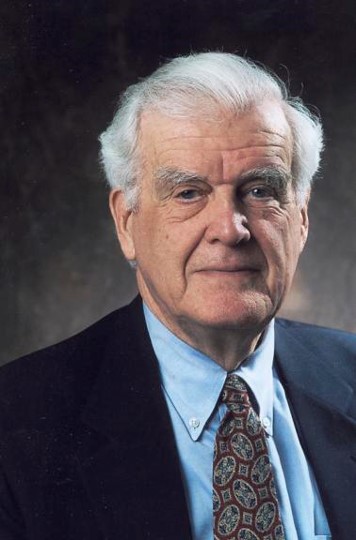
Last week, we lost a legend. Dr. G. Dean MacEwen, a pioneer in pediatric orthopedics and scoliosis, founding member and past President of the Scoliosis Research Society, died on August 6, 2024, at age 96.
He was born on November 10, 1927, in Metcalfe, Ontario, Canada and raised on a dairy farm. Encouraged by his aunt (a nurse) to pursue a medical career, Dr. MacEwen earned his medical degree at Queen’s University in Kingston, Ontario. He moved to Washington, DC, for an internship in surgery at the District of Columbia General Hospital, where he met his wife. His training continued with an orthopedic residency at the Campbell Clinic in Memphis, TN, mentored by Dr. Harold Boyd.
Dr. Alfred Shands, the first medical director of the Alfred I duPont Institute of the Nemours Foundation, while on a visiting lectureship at the Campbell Clinic in 1957, inquired whether Dr. Boyd knew of any promising young surgeons who might want to join him in Wilmington, DE. On Dr. Boyd’s strong recommendation, Dr. MacEwen moved to the Alfred I. duPont Institute (now known as Nemours Children’s Hospital, Delaware) in 1958 to partner with Dr. Shands and grow the Institute.
As the Institute’s second medical director, Dr. MacEwen quickly expanded services and access to care for more children at the pediatric orthopedic hospital. Under his leadership over the next three decades, the Institute garnered international acclaim for clinical care, surgical training and research in pediatric orthopedic surgery. He had an eye for spotting talent, recruiting fellows and developing leaders in the field. Though Dr. MacEwen’s primary clinical interests focused on the pediatric spine and developmental dysplasia of the hip, he contributed original research on virtually every condition in children’s orthopedics.
He traveled extensively in Europe and Latin America as a visiting professor and lecturer. Known for his much-lauded oratorical skills, he developed a reputation for giving excellent, thought-provoking scientific lectures on all conditions in pediatric orthopedics and scoliosis. He was a provocative moderator who could “stir the pot” and leave the audience more informed and entertained at the end of a scientific symposium.
Dr. MacEwen was likewise a gracious host who recognized the value of international education and established the International Pediatric Orthopaedic Research Fellowship, which allowed many young pediatric orthopedists to come and study in Wilmington for one year. Participants in the Fellowship stayed in the employees’ quarters of the Nemours Estate. His children recall that clinicians from around the world frequently joined the family for dinner. Most academic pediatric orthopedists from Latin America and Europe participated in this program. He also sponsored exchange programs with Korea, India and Japan.
In addition to his SRS leadership, he was a charter member and President of the Pediatric Orthopaedic Society (now POSNA), and President of the American Orthopaedic Association (AOA). Subsequently, he was recognized by those communities for his contributions with the POSNA Distinguished Achievement Award and the SRS Lifetime Achievement Award.
After retiring from Nemours Children’s in 1987, Dr. MacEwen continued his work at the Children’s Hospital in New Orleans as Chair of Pediatric Orthopaedic Surgery and later at St. Christopher’s Hospital for Children and the Shriner’s Hospital in Philadelphia. His legacy is further cemented by the establishment of the Shands/MacEwen Orthopaedic Care Center, the Shands/MacEwen Endowed Chair of Orthopaedic Surgery, and the Dr. G. Dean and Mrs. Marilyn MacEwen Educational Fund at Nemours Children’s Health.
“I had the experience of learning from the best and then passing my knowledge on to the next generation. I had the privilege of pursuing research that led to better treatments for children with a range of orthopedic conditions,” Dr. MacEwen recounted during the investiture of The Shands/MacEwen Endowed Chair of Orthopaedic Surgery in 2013. “I worked with dedicated colleagues, including my fellow surgeons, fellows and residents, nurses and therapists and all who made the Institute so well-known and regarded and was able to advocate for our expansion to a full-service pediatric hospital where children could receive a full range of medical services for their conditions.”
It is impossible to summarize his medical contributions, but I will try. Among his 145 publications, Dr. MacEwen was best known for several seminal publications on the long-term natural history and outcome of pediatric orthopedic surgical procedures. He developed the Wilmington jacket, a low-profile, custom-molded scoliosis brace that eased the pain and stigma of wearing the Milwaukee brace, which was the standard of care at the time. He developed the SRS M&M database for surgical and neurologic complications in scoliosis surgery, a first of its kind worldwide to promote safe surgery in complex procedures. He was most proud of his work on screening for scoliosis and hip dysplasia to improve outcomes by ensuring treatment in the earlier stages of the condition.
What was his influence on pediatric orthopaedics? If you consider his career spanning more than four decades, training hundreds of residents, fellows, and visitors, authoring scores of practice-changing publications and delivering countless thought-provoking lectures around the world, how many lives did he change? Then you must consider the millions around the world that he did not even meet, but were taught by his disciples, learned from his writings, mentored by his ideals, and treated by someone touched by his contributions to the science and art of children’s orthopaedics. That is certainly an all-time legacy and we are grateful for a life so well lived.
Dr. MacEwen is survived by his beloved wife of 70 years, Marilyn (Lyn), their five children, nine grandchildren, and nine great-grandchildren. A public memorial service will be held at 11 AM on October 19, 2024, at Westminster Presbyterian Church in Wilmington, DE.
In lieu of flowers, the family requests donations be made to the Dr. G. Dean and Mrs. Marilyn MacEwen Educational Fund at Nemours Children’s Health, supporting the education of future leaders in pediatric orthopedic surgery. Gifts may be made online at www.nemours.org/macewen or by check mailed to Nemours Children’s Health Alliance, Shands House, 1600 Rockland Road, Wilmington, DE, 19803.
Prepared by: Suken A. Shah MD, Shands | MacEwen Endowed Chair in Orthopaedic Surgery | Nemours Children’s Hospital | Wilmington, Delaware USA
George F Rapp, MD | 1932-2024
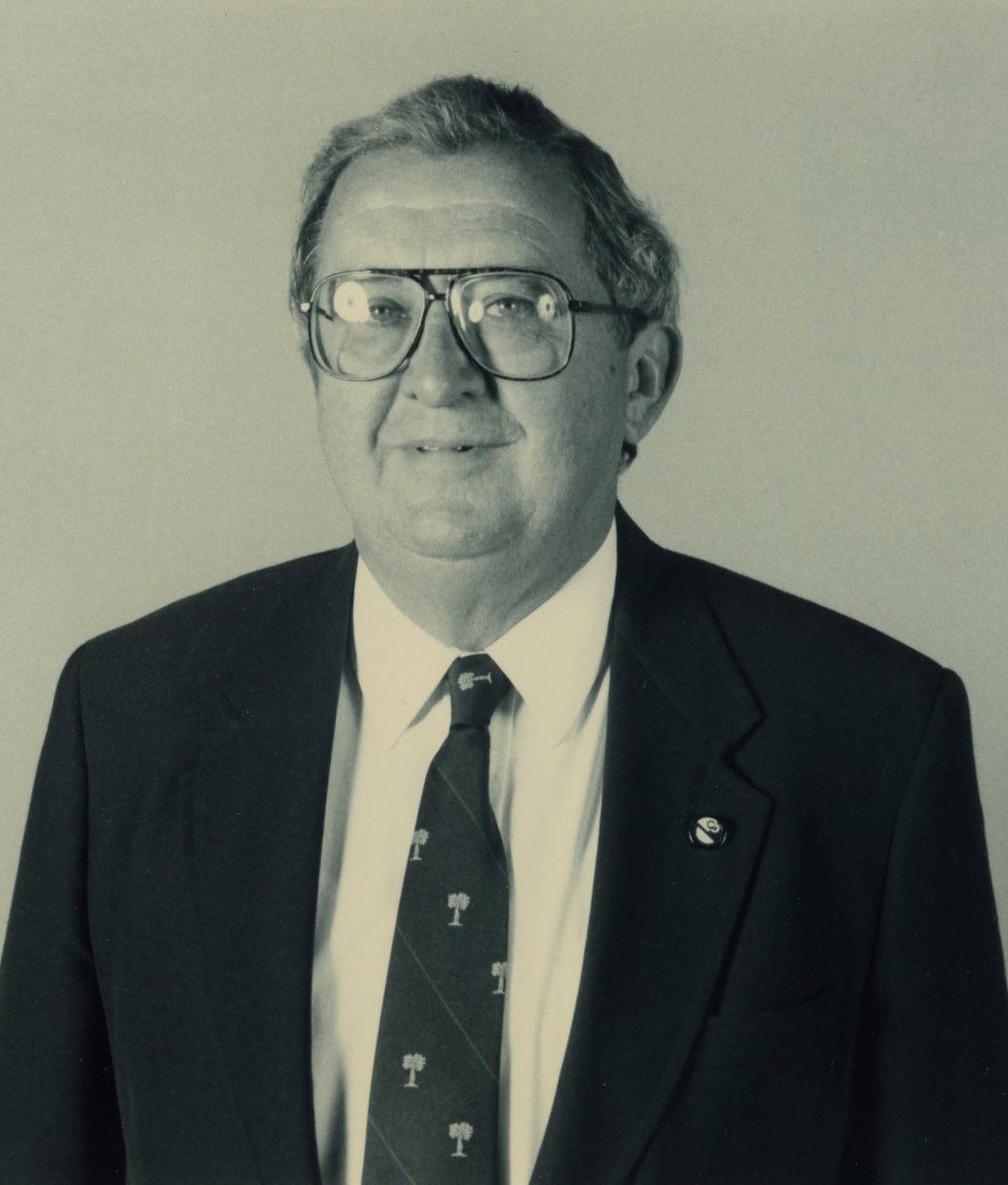
George F Rapp was born in New Harmony, Indiana, on January 15, 1932. He earned his MD degree from Indiana University in 1957 and Orthopedic Residency at St. Vincent Hospital, an institution he loyally served for most of his academic career. After serving as a Major in the U.S. Army Medical Corps from 1962 to 1964, he returned to Indianapolis, where he established his successful orthopaedic surgery practice.
Dr. Rapp's tenure as Director of the Scoliosis Clinic at Riley Hospital spanned 20 years, during which he dedicated himself to treating pediatric spinal deformities. In addition to his clinical work, Dr. Rapp made significant contributions in the development of surgical instrumentation. He co-founded BioTechnology, which later evolved into Sofamor Danek, a company that was important in the development of spinal surgery instrumentation and is now a part of Medtronic. He also designed devices for the management of bone fractures and developed a prosthesis for total hip replacement.
Dr. Rapp’s influence in the field of orthopaedics was also felt through his mentoring of residents during his 18-years as Chief of Orthopaedic Surgery Residency at St. Vincent Hospital. He nurtured a generation of surgeons, instilling in them the values of dedication, compassion, and lifelong learning.
Dr. Rapp championed the global advancement of orthopaedics. His involvement with Orthopaedics Overseas led him and his wife Peggy on a philanthropic mission to Kenya, where they helped expand medical facilities and improve surgical care, exemplifying his lifelong commitment to improving healthcare not just locally but globally.
Dr. Rapp was recognized with numerous awards, reflecting his professional excellence and community service. These included the Distinguished Alumni Service Award from Indiana University in 2002, the World of Difference Award for Lifetime Achievement from the Indiana Medical Industry Forum, and the Sachem Award, Indiana's highest civilian honor, in 2019. He was also named a "Living Legend" by the Indiana Historical Society in 2013, acknowledging his contributions to the state and beyond.
Dr. George Rapp's life and career embodied the spirit of innovation, compassion, and service. His contributions to the advancement of scoliosis treatment, his mentorship of future generations of surgeons, and his tireless dedication to improving patient outcomes have left an indelible mark on the field of orthopaedic surgery. He will be deeply missed by his colleagues, patients, and all those whose lives he touched through his work.
Arthur David Steffee, Jr., MD | 1934–2024
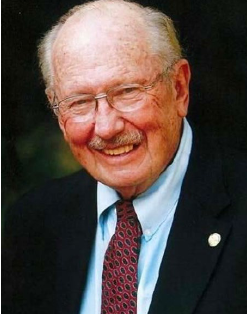
It is with great sadness that we report the loss of a true leg-end and colleague, Arthur D. Steffee, MD. Dr. Steffee diedat his home, the historic Foxburg Estate, on his 90th birthdayon August 16, 2024. He was born on August 16, 1934, in Oil City, PA to Arthur D Steffee, Sr. and Josephine Leyda Steffee and was the oldest of 3 siblings. He graduated from Oil City High School in 1952 and then Allegheny Collegein 1956. He received his Medical Doctorate from McGillUniversity, in Montreal, Quebec in 1960. He continued his medical education at both the Cleveland Clinic Foundationand St. Vincent Charity Hospital in Cleveland, OH, where he had his internship and residency in general surgery. He served as a captain in the U.S. Army Orthopaedic Serviceat Ft. Belvoir in Virginia from 1962–1964, then returned to the Cleveland Clinic Foundation to complete his orthopaedic residency. He stayed in Cleveland to practice orthopaedic surgery, initially specializing in total joint replacement and eventually adult spine surgery.
It was during early practice that he was challenged to solve difficult orthopaedic problems, such as rheumatoid arthritis and iatrogenic lumbar deformities of the spine. He was always looking for solutions for unsolved problems and was courageous enough to try new ways to improve care of his patients. He became an innovator, creating implants for both the hand and the spine. Eventually his focus was fully directed to the spine and its many surgical challenges. As such, Dr. Steffee developed techniques and popularized practical use of the pedicle screw to provide better correction and fixation of the spine.
He founded AcroMed company in 1983 to provide implant solutions for the challenges he and his colleagues were facing, treating spine problems at the time. This led to the creation of the Isola Implant System for complex spinal deformities. As innovation can also bring challenges to any inventor. Dr. Steffee faced legal battles that evolved into a class action pedicle screw litigation that affected spine surgeons, implant companies and medical societies alike. Fortunately, scientific research was able to prove the safety and efficacy of pedicle screws, thus ending the legal challenges for most. Dr. Steffee, however, was the most challenged and AcroMed Company also was sold to resolve these issues.But his work would forever be remembered for the development and popularizing the use of pedicle screw implants in the United States and then worldwide. He will be remembered also for his many other contributions such as championing the techniques of posterior interbody fusion, spinalosteotomy and vertebral body replacement. His willingness to share his experience with others through teaching courses,traveling worldwide and accepting many surgeons to observe his surgeries was greatly appreciated by those fortunate enough to be touched by his cordial character. During his career, according to PubMed, he published 27 studies on the evaluation and management of adult spinal abnormalities.
Dr. Steffee was and remained a man of principles, who saw a way to solve a problem and worked to develop solutions that would improve patient outcomes. Long after thepedicle screw litigation dust had settled, spine deformity surgeons saw the advantage that pedicle screw instrumentation had on complex spine deformities and iatrogenic disorders.
As a result, in 2010, the Scoliosis Research Society Board of Directors awarded Dr. Steffee with an Honorary Member-ship. Now, at the time of Dr. Steffee’s death, this Honorary Membership is more important today than ever. We will dearly miss our friend and colleague, Art, who taught so many of us to always seek solutions for difficult problems and never give up! THANK YOU, Art, on behalf of our profession and the countless patients who have experienced a better quality of life as a result of your pioneering work.
Theodore R. Waugh, MD, PhD | 1926-2024
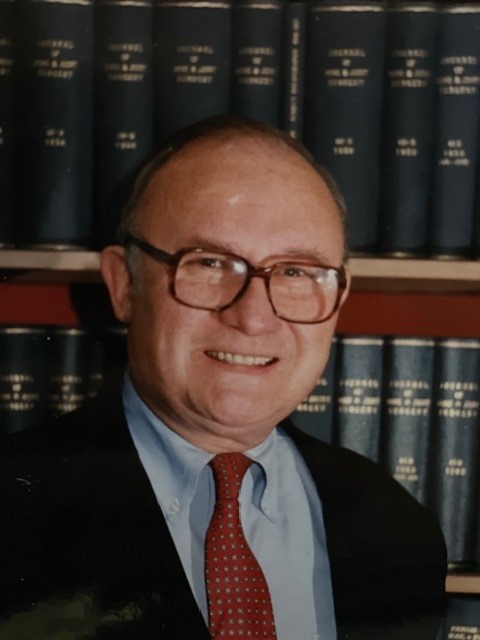
Dr. Theodore Rogers Waugh, III passed away peacefully on March 11, 2024. He was born in Montreal, Canada in 1926. Dr. Waugh received his bachelor’s degree from Yale University in 1949, as well as being a member of the Yale University football team as an undergraduate, and subsequently winning the Canadian Track and Field Olympic Trials in the hammer throw. He obtained his medical degree from Mc Gill University in 1953. Then worked as an intern at Royal Victoria Hospital in Montreal 1953-1954 and was a resident in pathology 1954-1955. He was a surgery resident 1955-1956 at Bellevue Medical Center, New York, New York and completed his orthopedic residency at New York Orthopedic Hospital Columbia University 1958-1962. In 1968 he received a Doctor of Medical Science degree from the University of Gothenburg in Sweden.
Dr. Waugh became clinical assistant professor of orthopedic surgery at New York Orthopedic Hospital and an assistant attending at Presbyterian Hospital from 1962-1968. He then moved to California to be the Chief of the Division of Orthopedic Surgery at University of California Irvine from 1968-1978. In 1978 he moved back to New York to become the Chairman of the Department of Orthopedic Surgery at New York University Medical Center until 1997.
Dr. Waugh was Secretary of the SRS from 1975-1978. He served as President of the SRS in 1982.
Fabio Ferri-de Barros, MD, MSc, FSBOT, FRCS | 1971-2023
On July 19th, 2023, SRS member Dr. Fábio Ferri-de-Barros passed away. Dr. Ferri-de-Barros was born in Sao Paulo, Brazil in 1971. He graduated from Fculdade de Ciencias Medicas da Soa Paulo with a M.D. After finishing his Orthopedic training, he worked for 5 years in Ilhabela, Brazil. He also spent time in various locales as part of his training including the U.S., Australia, and Switzerland. In 2006 he moved to Toronto and completed a Pediatric Orthopedic and Spine Surgery Fellowship at the Hospiral for Sick Children at the University of Toronto as well as a master’s degree.
In 2010 he moved to Calgary and the Aberta Children’s Hospital, becoming one of two pediatric surgeons in the Calgary zone. Dr. Ferri-de-Barros was a clinical professor of Surgery at the Cummings School of Medicine of the University of Calgary. He was President of the Canadian Pediatric Spine Society and an Honorary Fellow of the Brazilian Society of Pediatric Orthopedics. In 2017 he joined the SRS. In the last months of his life, he suffered from severe depression and was taken by a tragic complication of this severe disease. The family feels it is important to break down the stigma associated with mental health disorders and would like to encourage anyone in distress to seek help just as they would for any other health issue.
He is survived by his wife Natalia Marangoni Ferri-de-Barros, children Matteo (Maria Luiza), Giovanna, and Nicolas.
Ben E. Veraart, MD | 1931-2023
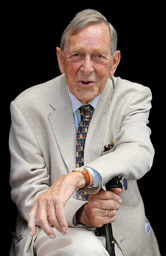
On July 1, 2023, Dr. Ben Veraart, passed away at the age of 92.
Ben Veraart trained as an orthopedic surgeon with Professor San Georgi in Nijmegen, the first professor of orthopedics in the Netherlands, and he became an SRS member in 1969.
He worked in OLVG hospital in Amsterdam, specializing in spine surgery. He was the founder of the multidisciplinary scoliosis team and one of the first practitioners in the Netherlands to perform scoliosis operations in children. From 1976 to 1979 Ben Veraart was president of the Dutch Orthopedic Society (NOV).
He had many international contacts within our society and was also an active member of SICOT, and local host of the SICOT World Congress in 1996, in Amsterdam.
Ben Veraart was an erudite person with a great interest in art and culture in addition to orthopedics. Among other things, he was regularly found in the concert hall in Amsterdam where he enjoyed the music.
E. William Schmitt Jr., MD | 1937-2023
E. William (Butch) Schmitt Jr., MD, passed away on March 22, 2023. He was born on March 2,1937 in Jacksonville, Florida and was known as “Butch” throughout his life.
Dr. Schmitt is recognized for his contributions to POSNA history, in 1974 he participated in the formation of the “Pediatric Orthopedic Travel Group”. The following year the name was changed to “The Pediatric Orthopedic Study Group” (POSG). He became Secretary-Treasurer of POSG in 1975 and meeting co-chair and the President in 1983. The Pediatric Orthopedic Society (POS) and POSG merged in 1983 to become POSNA.
Dr. Schmitt treated children for over 40 years. He graduated high school at the age of 16 and went on to obtain a medical degree from Emory University. After his orthopaedic residency at Harvard University, he served in the Navy in Vietnam. Upon his return, he became a pediatric orthopaedic surgeon at Egleston, now known as Children's Healthcare of Atlanta. In addition to POSNA he was active in the AAOS and the SRS. He became an Emeritus Fellow of the SRS in 1976. During his career he published 6 peer-reviewed articles according to PubMed. His major interests were trauma, scoliosis, spina bifida and cerebral palsy.
He has been a major contributor to the musculoskeletal care of children as well as a leader in the field. He will be missed.
Paul W. Pavlov, MD, PhD | 1944-2023
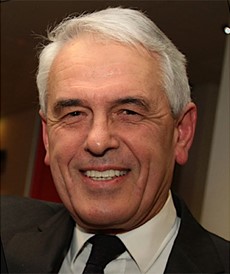
Dr Paul Pavlov, MD, PhD passed away on March 20, 2023.
He is survived by his beloved wife Vera and his three children, Irina, Alexander, and Thomas.
Paul was born on January 24, 1944 in Sophia, Bulgaria. After his graduation in medicine from the University of Sophia, Bulgaria, Paul continued his medical career abroad. In 1969 he moved to The Netherlands, where he started his orthopedic training with Cornelis van Nes, the most renowned Dutch orthopedic surgeon of his time.
He developed his career as spine surgeon in the Sint Maartenskliniek, and under his leadership it became the premier orthopedic institution in the Netherlands.
Paul was a gifted and ingenious surgeon and, at the same time, an inspiring and demanding teacher. He was a mentor and role model for a whole generation of orthopedic surgeons—especially spine surgeons—in The Netherlands. He was one of the earliest Dutch SRS members, joining our society in 1993.
We remember Paul Pavlov as a visionary surgeon, innovator, teacher, and leader. He will be sorely missed by his many friends and colleagues.
Alberto Ponte, MD | 1926-2023
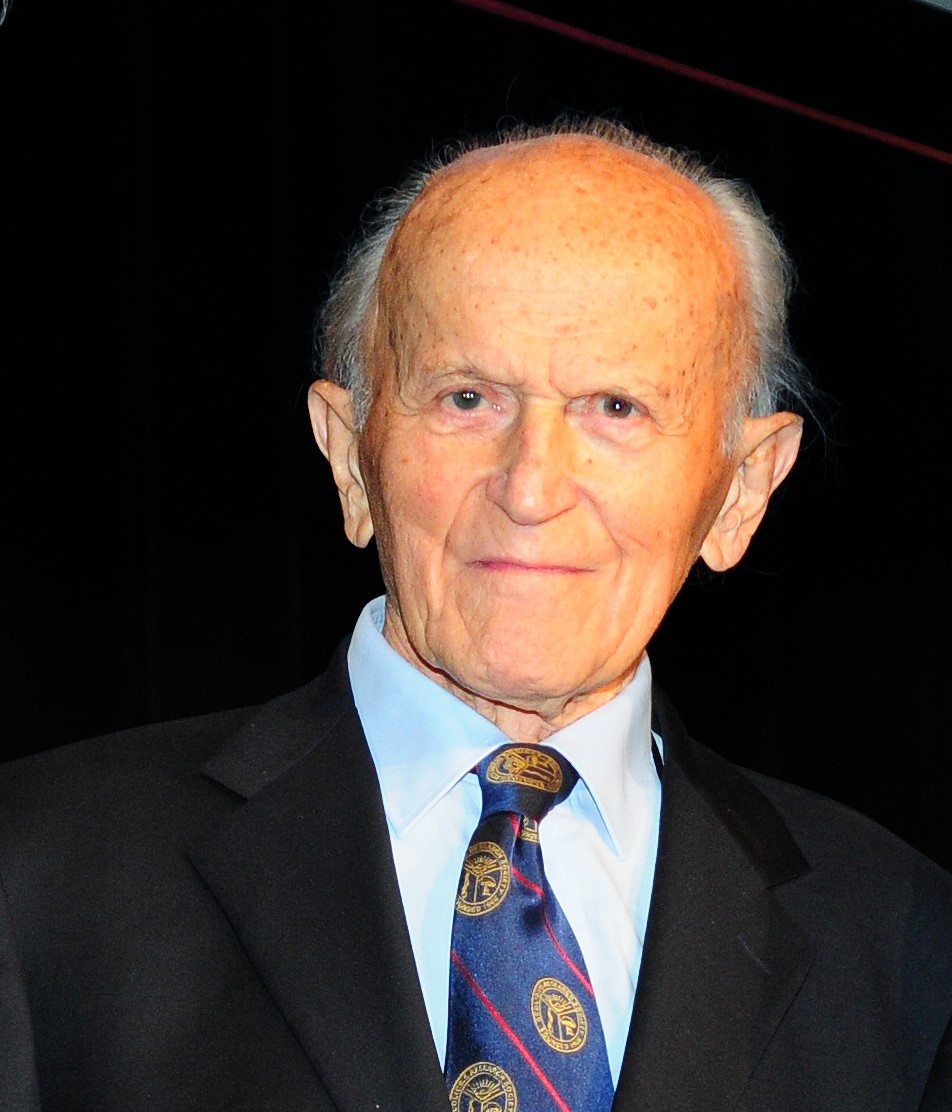
On January 10, 2023, the Scoliosis Research Society (SRS) lost a prominent member. Alberto Ponte died in Amsterdam, Netherlands where he has lived since 2018. He was born in Graz, Austria on July 9, 1926. He was 96 years old. During his life he made many contributions to the evaluation and treatment of spinal deformities.
In 1953 Dr. Ponte received his medical degree from the University of Turin in Italy. He did his orthopedic residency at the University Hospital in Florence from 1953-1958. He spent two of those years as an exchange fellow in some of the most important orthopedic and trauma hospitals in Great Britain, Germany, Austria and Switzerland. He then in 1958 accepted a 1-year fellowship in scoliosis at the Hospital for Special Surgery in New York City with John Cobb, performing approximately 60 spinal surgeries. During this time, he also spent 7 months at the Bone Tumor Service of Memorial Hospital, New York. Dr. Ponte then furthered his spine deformity training by spending time with Walter Blount (Milwaukee, USA), John Moe (Minneapolis, USA) and Joe Risser (Pasadena, USA).
In 1960 Dr. Ponte returned to the University of Florence and founded the first spine ward in Italy. He performed scoliosis surgery using the techniques and methods he learned in the United States and became a Full Professor of Orthopedics in 1963. In 1968 he became corresponding member of SRS at the invitation of doctors Moe and Blount.
In 1969 he founded the first independent Spine Center in Italy (Pietra Ligure). That same year he described an underarm orthosis for lumbar and thoracolumbar scoliosis. He was the first to recognize hypotension as a cause of paraplegia after surgical correction of scoliosis (SRS Gothenburg 1973). Was the first in Italy to use hemodilution and autotransfusion (SRS Hong Kong 1977), and in 1977 was a founder, and for 2 years president of, GIS, the Italian Scoliosis Society.
In 1987 Dr. Ponte presented the Ponte Osteotomy at SICOT meeting in Munich (SRS Portland 1994) treating thoracic hyperkyphosis by shortening the posterior column and preserving the anterior column load sharing capacity. Which is now widely used to help correct various spine deformities. In 1989 he presented 3,025 hyperkyphotic patients treated in Pietra Ligure by Risser plaster casts at the SRS meeting in Amsterdam and the ESDS meeting in Rome. From 1976-2015 Dr Ponte treated 240 skeletally mature hyperkyphotic patients surgically, the first 56 with Harrington technique and last 184 from 1987 using the Ponte Osteotomy. By invitation of the Editor-in-Chief of the journal Spine Deformity he published “The True Ponte Osteotomy: By the One Who Developed It" (Spine Deformity Jan. 2018).
Dr. Ponte has served as visiting professor around the globe. He has attended 39 meetings of the SRS with several presentations and was presented with the SRS Lifetime Achievement Award in 2019. He had many intimate collegial working relationships with several of the SRS’s founding and regular members. He is survived by his wife Ellen, son Roberto, daughter Stefania and granddaughter Beatrice.
Dr. Ponte will be remembered for his many contributions to improve the care of patients with spinal deformity, many of which have been the foundation for subsequent progress in our field.
Raymond T. Morrissy, MD | 1941-2023
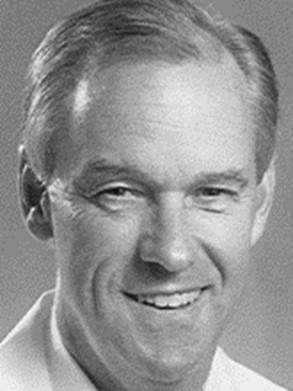
Raymond T. Morrissy was a creative force shaping the future of pediatric orthopaedics. Raised in Chicago and then high school in West Palm Beach, he was fortunate to have early exposure to very thoughtful mentors, including Dr. Philip Lichtblau and Wood Lovell. He received his orthopaedic surgery training at the Harvard/Massachusetts General Hospital before it became the Harvard Combined Program. There he was influenced by Dr. William Harris to pursue a career of scientific inquiry. Dr. John Hall was his role model for the consummate pediatric orthopaedic surgeon. He was a fellow orthopaedic resident with Tony Herring, his lifelong colleague and friend.
Early in his career, Dr. Wood Lovell recruited Ray to be the Medical Director at the Atlanta Scottish Rite Hospital. With his superb leadership abilities, sharp wit and passion for excellence, Ray helped grow this small hospital, combined it with Egleston Children’s Hospital, to become the Children’s Healthcare of Atlanta. There he mentored and trained several generations of medical students, residents, and pediatric orthopaedic fellows. He probably is best known by current trainees as the editor of the textbook “Lovell and Winter’s Pediatric Orthopaedics” now in its 8th edition, as well as the “Atlas of Pediatric Orthopaedic Surgery. He also authored 48 pediatric orthopaedic articles as cited in PubMed. In 2007 he received the POSNA Distinguished Service Award.
Although he was best known for his breadth of knowledge in general pediatric orthopaedics, many of his clinical and research interests were related to the spine. He was a lifelong member of SRS since 1979. His research publications included brace treatment for scoliosis, scoliosis school screening, and torticollis. Many of his studies greatly increased our understanding of spine conditions and improved their treatment. A 1990 JBJS publication showed that intra-observer measurement error for Cobb angle was about 5 degree and interobserver error could be as high as 7 degrees. He taught us that allograft bone could be as effective and safe as autograft iliac crest, thus avoiding the morbidity of harvesting pelvic bone for generations of spine patients. He was well known for his NZ white rabbit studies which showed that it took both bacteremia and local trauma to cause metaphyseal osteomyelitis. This gave great insight for how young children may develop acute hematogenous spondylo-discitis.
As a mentor, creative thinker, and friend to many, Dr. Morrissy will be remembered and missed. Dr. Morrissy was preceded in death by his wife of many years, Lois. They had no children.
Courtney W. Brown, MD | 1935-2022
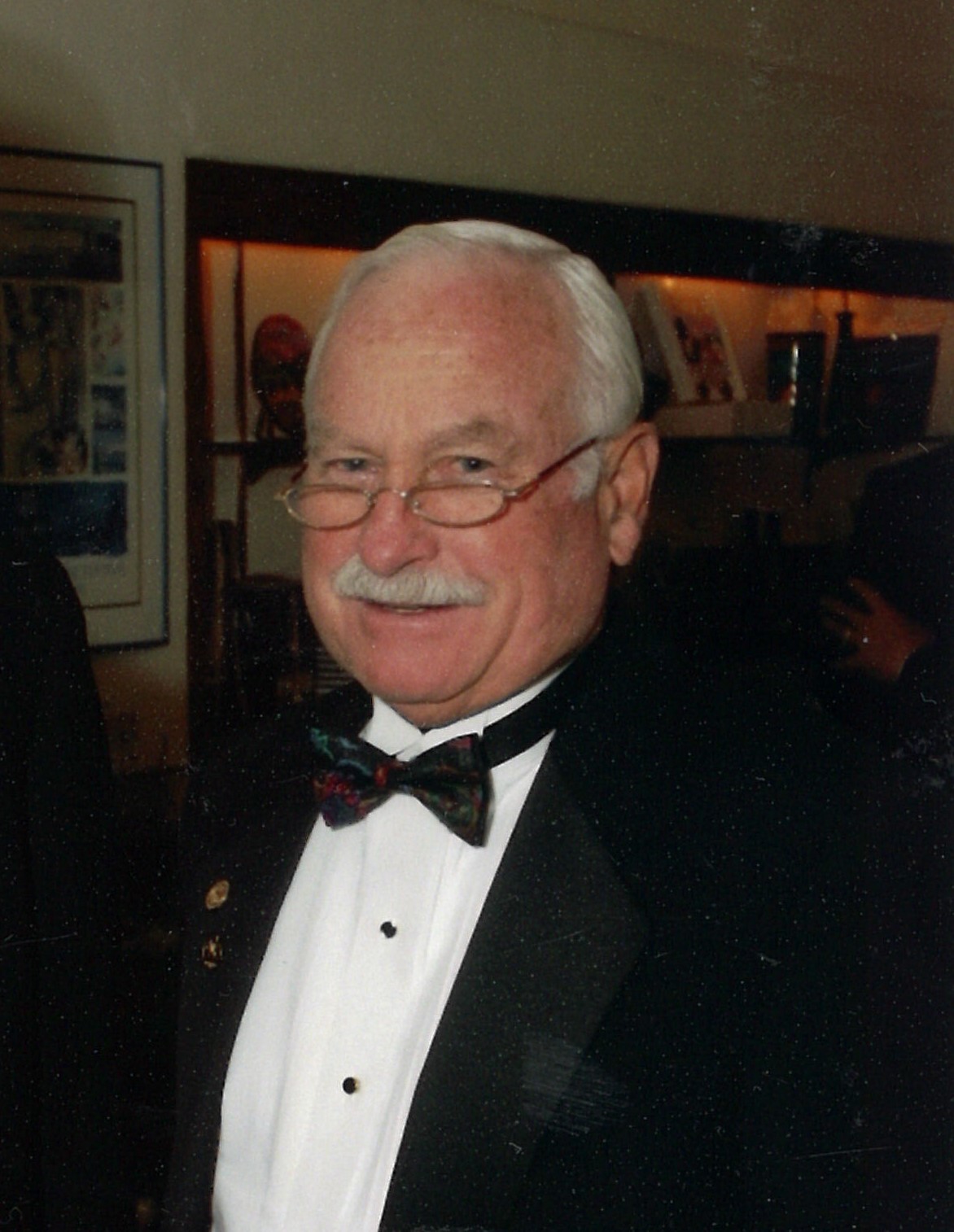
Dr. Courtney W. Brown, SRS Past President, passed away on November 15, 2022, at the age of 87, after a brief illness with COVID-19. He is survived by his loving wife of 61 years, Ingrid, daughter Dara Tallmadge (spouse Scot), sons Courtney Brown, Trevor Brown, grandsons Myles Tallmadge, Dashell Tallmadge, sisters Joanne Lyman, Roxanne Warren, nephew Christopher Finney (spouse Diane), niece Suzanne Finney.
Courtney was born on July 24, 1935 in New York City and spent most of his childhood and adolescence in Scarsdale, New York, and Washington D.C. He graduated from Scarsdale High School and later from Williams College in Massachusetts. He intended to join corporate management, and, in fact, had an internship arranged with a major corporation. On the eve of his graduation from Williams, he mentioned to his sister that he had always wanted to be a doctor. She said “Then do it.” He did and in the blink of an eye, he switched from business to medicine. He went on to graduate from Columbia University College of Physicians and Surgeons and did his internship and residencies at St. Luke’s Hospital in New York City.
He married Ingrid in the early 1960s. During the Vietnam War, he served in the United States Air Force, first at Orlando Air Force Base and then a year at U-Tapao Air Force Base in Thailand. Upon his discharge he and his family traveled the West, visiting various cities and medical practices. They decided to make Colorado their home, because to hear him tell it, it was for “want of lack of a sweater”, that Denver was chosen; he didn’t want to have to wear a sweater in the summer during his golf games.
He joined Lakewood Orthopedic Clinic in 1970, which adopted the name Panorama Orthopedic and Spine Center when it moved to Golden, in 2000. He worked for them for some 40 years specializing in spine. Even though he officially retired in 2008, he continued to see patients for some time, particularly those with traumatic spinal injuries at Craig Hospital.
Courtney was a member of the American Academy of Orthopedic Surgeons, the Association of Bone and Joint Surgeons, and the Scoliosis Research Society (SRS) where he served as President in 1999.
He loved skiing and founded Blue River Trauma Society which combined helicopter skiing in Canada with medical seminars. For several years he volunteered for the U.S Ski Team, which found him on the slopes during their ski races willing to assist in case of injury. In the summers, his passion was golf – often in special and exotic places, and he was a member of Lakewood Country Club and Troon Country Club in Scottsdale, AZ.
Rudolph A. Klassen, MD | 1931-2022
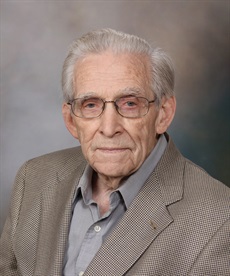
Rudolph “Rudi” A. Klassen, MD died on November 15, 2022, at the age of 91 in Minneapolis, Minnesota. He was born in Winnipeg, Manitoba on January 30, 1931, to Russian Mennonite immigrants. He attended the United College in Winnipeg and then medical school at the University of Manitoba in Winnipeg. There he met Frieda and after graduation in 1956 they married. For the next 2 years he provided medical care to the Hutterite colonies in northern Alberta and Manitoba. He was subsequently recruited as a general practitioner to Lamoure, North Dakota. In 1963 after 5 years, and developing an interest in Orthopedics, he started an orthopaedic residency at the University of Minnesota. He then developed an interest in pediatric orthopaedics, which led him to accept new challenges. CARE International opened a children’s hospital in Tunis, Tunisia and Dr. Klassen, with his wife and 4 children, moved there for 2 years. While working in Tunis, he met Dr. Mark Coventry, the Chairman of Orthopaedics at Mayo Clinic, who recruited him to Rochester, Minnesota in 1969. During his career Dr. Klassen published 20 peer-review articles according to PubMed.
Dr. Klassen practiced pediatric orthopedics and spine surgery as Associate Professor at the Mayo Clinic for 40 years. He was the consummate clinician and teacher recognized multiple times as Teacher of the Year by his residents. He was a long standing member of the SRS and became a member emeritus in 1975. In 1996 he was named Mayo Physician of the Year. His advice to residents was frank but supportive, and he engaged them on a personal basis.
Kiyoshi Kaneda, MD | 1936-2022
It is with sadness we report that Professor Kiyoshi Kaneda passed away on October 9, 2022. He was 86 years old. Professor Kaneda was born in Fukushima Prefecture on September 7, 1936. He studied medicine at Hokkaido University School of Medicine, Sapporo, Japan. After graduating medical school in 1962 and completion of internship at Kyoto University he did his residency in orthopaedic surgery at Hokkaido University. In 1973 he became a visiting clinical fellow with John E. Hall, MD at the Children Hospital, Harvard Medical School in Boston, Massachusetts. In 1974 he was a visiting clinical fellow with John Moe, MD and Robert B. Winter, MD at the Twin Cities Scoliosis Center, Minneapolis, Minnesota. Upon returning to Sapporo in 1976, Professor Kaneda was appointed Associate Professor in the Department of Orthopedic Surgery, Hokkaido University School of Medicine. He devoted his career to scoliosis and spine surgery. In the early 1980’s, he developed a new dual rod anterior spinal fixation system (“Kaneda device”). In 1986, Professor Kaneda was appointed Professor and Chairman of the Department of Orthopedic Surgery, Hokkaido University. He and his spine fellows worked with Professor Manohar M. Panjabi and contributed significantly to spinal biomechanics research. Professor Kaneda became a member of the Scoliosis Research Society in 1983 and was an Emeritus Fellow at his passing. He was a member of ISSLS and served as its President from 1996-1997. He received the ISSLS Wiltse Lifetime Achievement Award in 2004 and the NASS Wiltse Award in 2011. But Professor’s Kaneda’s greatest legacy may well not be on any plaque, award, or patent filing. Professor Kaneda’s great and most enduring contribution to spine surgery is his program for promoting the exchange of information and training between surgeons in Japan and the rest of the world.
Reinhard A.W. Westphal, MD, PhD | 1928-2022
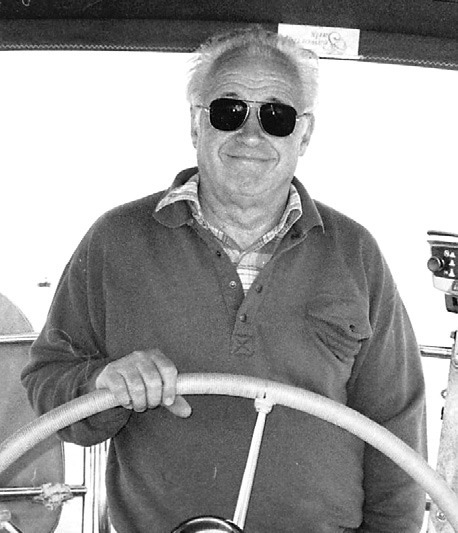
Reinhard A. W. Westphal, MD, PhD passed away at the age of 94 at his home in Leland, Ohio on September 27, 2022. He was born in Stettin, Germany on May 26, 1928. After growing up in Stettin he was drafted into the German Army at age 16. In 1945 he fled Russian captivity and resumed his education graduating from Albert Ludwig University of Freiburg, Germany with PhD in medicine.
In 1957 he married Toni Baumgartner and moved to Columbus, Ohio where he did his orthopedic surgery residency and started in private practice. He was on Staff at Riverside Methodist Hospital, Ohio State University Hospital and Nationwide Children’s Hospital. Initially he focused on trauma but later his main interest was scoliosis. He joined the SRS in 1981.
Dr. Westphal is survived by his wife, Toni; two children daughter Connie Brown, son Dirk Westphal and three grandchildren, Christian Brown, Max Westphal and Roth Westphal.
Davis W. Clark, MD | 1935-2022
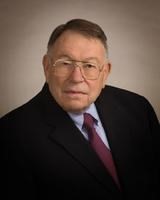
SRS member Davis W. Clark, MD died July 8, 2022, after brief illness at age of 86. He was born July 19, 1935, in West Springfield, MA. Dr. Clark attended University of Rochester, NY, where he earned a degree in Geological Engineering. After graduation he enlisted in the U.S. Navy. Dr. Clark left the Navy to enroll in medical school at the University of Rochester School of Medicine, graduating in 1967. He did his internship and orthopedic residency at Strong Memorial Hospital in Rochester.
After training, he moved to Concord, NH and founded Concord Orthopedics, PA on July 10, 1972, where he practiced for 50 years. He was a member of the SRS, NASS and served as an orthopedic board examiner.
Dr. Clark is survived by his wife of 38 years Sandra C. Clark, daughters Elizabeth G. Clark, Laura Mitchell, Deborah Hale, and his sons Davis W. Clark and Michael Hale.
Martin Edward Wolpin, MD | 2022
Dr. Martin Edward Wolpin died at his home in Boynton Beach Florida on February 11, 2022. The cause of death was Acute Myeloid Leukemia. Born in Brooklyn, NY, Dr. Wolpin is survived by his loving wife of 62 years, Sarah; his four children: Jeanne, Eric, Stephanie and Ellen; seven grandchildren: Samantha, Jessica, Jacob, Jennifer, Bradle, Max and Zack; and one great grandchild: Ruth. Dr. Wolpin was a graduate of Stuyvesant High School, Hobart College, and Downstate Medical Center. Over his 54 year practice as an orthopaedic surgeon specializing in spinal surgery, Dr. Wolpin served two terms as President of Staff at Maimonides Medical Center, was a member of the Scoliosis Research Society, having joined in 1985, and a member of the New York Medical Team. He donated time to lobby Albany on behalf of physician and patient rights. Dr. Wolpin treated tens of thousands of patients and impacted innumerable lives. He will be sorely missed.
Robert Joseph Weierman, MD | 1942-2021
Robert J. “Bob” Weierman passed away on October 21st, 2021. He grew up in New Jersey and attended St Peter’s University in Jersey City and later graduated Georgetown Medical School. His career spanned 44 years with last 12 from 2000-2012 being in Gulfport, Mississippi. He was the President of Medical Staff at the Hospital Center in Orange, New Jersey and . Llater was served as the Chair of the department of surgery at Memorial Hospital in Gulfport. Along with being a member of the SRS, he was member of American Medical Association, Fellow of the American College of Surgeons, and American Academy of Orthopedic Surgeons. He survived by his wife Teresa Parnell Weierman.
Donald L. Gaines, MD | 1934-2021
Donald L. Gaines, MD died on October 14, 2021 at 87 years of age. The SRS was just recently informed of his passing. He was born in St. Louis, Missouri on October 12, 1934 and grew up in Camdenton, Missouri near the Lake of the Ozarks. He attended Itawamba Junior College on a baseball scholarship and transferred to and graduated from the University of Mississippi. He earned his medical degree from the University of Tennessee in 1958 and joined the US Air Force Reserve as a flight surgeon. Dr. Gaines completed his residency in orthopedic surgery at Vanderbilt University Hospital. He then did a spine deformity fellowship in Minneapolis, Minnesota. He returned to Nashville, Tennessee to private practice.
Dr. Gaines was a long standing member of the SRS and became an emeritus fellow in 1972. He was chief of staff at Donelson Hospital and subsequently at Summit Hospital until his retirement in 1999. During his career he published two studies according to PubMed. He was a member of the Tennessee Orthopedic Society, Nashville Academy of Medicine, and the Davidson County Medical Society. He was a well respected member of orthopaedics in Tennessee and his community.
Marr P. Mullen, MD | 1929-2020
Marr P. Mullen, MD passed away on November 27, 2020 at 91 years of age due to heart failure. He was one of the 37 Founding Members of the Scoliosis Research Society (SRS). The remaining living Founding Members are David B. Levine, MD , G. Dean MacEwen, MD, Ronald L. DeWald, MD, and C. McCollister Evarts, MD.
Dr. Mullen was raised in Seattle, WA. He graduated from Dartmouth University in Hanover, NH where he was a member of Gamma Phi Beta fraternity. He graduated in 1951 and then received his Doctor of Medicine degree from the University of Washington School of Medicine in 1955. This was followed by an internship at Harborview Medical Center in Seattle 1955-1956 and then two years as a captain in the USAF at Fairchild AFB in Spokane, WA. During that time he met and married his wife, Nancy. They were married for 62 years. They had two children and now have two grandchildren.
It was during his internship and time in the USAF that Dr. Mullen developed an interest in orthopaedic surgery. Following military service he and Nancy returned to Seattle where he completed an Orthopaedic Surgery Residency at the University of Washington. He then entered private practice in Seattle in general orthopaedic surgery with a special interest in scoliosis.
He developed an interest in scoliosis during residency. Although he did not do a scoliosis or spine fellowship, he did visit Paul R. Harrington, MD in Houston, TX as well as several other international centers doing innovative work in scoliosis surgery. This led to his association and friendship with many early pioneers in our the specialty. He and James W. Tupper, MD, also from Seattle, were invited by John H. Moe, MD to attend the First Meeting of the Scoliosis Research Society in Minneapolis, MN in 1966. Both men subsequently became Founding Members of the SRS.
Dr. Mullen maintained a lifelong interest in the treatment of scoliosis and the care of involved children and adolescents. He had an affiliation with the University of Washington and ultimately became a Clinical Associate Professor of Orthopaedic Surgery. He had privileges and practiced part-time at Swedish Hospital, Seattle Children’s Hospital and Harborview Medical Center. He was an active member of numerous national, state and local medical associations and organizations as well as the SRS. These included the American Academy of Orthopaedic Surgeons, Seattle Surgical Society, Washington State Medical Association, Washington State Orthopaedic Society, and the North Pacific Orthopaedic Society.
In summarysummary, we owe Dr. Mullen’s our deepest gratitude in helping develop what most of us feel is one of the most successful clinical and academic orthopaedic societies in the world today. We also offer our condolences to his wife, Nancy. She was very helpful in preparation of this obituary and instrumental in providing information about the early years of the SRS.
Thomas I. Lowry, MD | 1934-2020
Thomas Irvin “Tim” Lowry died on August 1, 2020. The SRS was just recently notified of his passing. He was born in Laredo, Texas the youngest of 5 children to a medical family, both parents, grandfather and great grandfather were physicians. Dr. Lowry entered Baylor University at 16 years of age. After graduating in only 3 years, he entered Baylor College of Medicine. After graduation he began an internship and residency in orthopedic surgery at the same institution. His training was interrupted by service in the US Army from 1962-1963 as chief of surgery at a MASH unit in peacetime Korea.
After the Army, Dr. Lowry returned to Houston, Texas to complete his residency. He continued his training for 6 months with Dr. Paul Harrington in spine deformity surgery. After spending 3 more months training in Florence, Italy and Edinburgh, Scotland he settled in Austin, Texas to practice spine surgery and joined the Austin Orthopedic Clinic. He became an active member of the SRS in 1973 and later an emeritus member. He was also member of the Travis County Medical Society and served on its ethics committee.
Denis Drummond, MD | 1934-2019
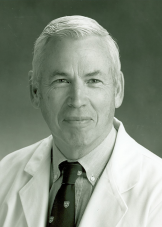
Our dear friend, colleague, mentor and professional idol Denis Drummond passed away June 18, 2019, leaving a breathtaking legacy globally. Through his clinical care and research, he bettered the lives of several generations of children; through his teaching andmentoring he helped train and advise hundreds of surgeons. With his vibrant leadership skills, he improved pediatric care at the University of Wisconsin and Children’s Hospital ofPhiladelphia (CHOP), was President of the Scoliosis Research Society (SRS) and was afounding leader of the Pediatric Orthopaedic Society of North America. Perhaps Denis’ greatest impact, however, was on his friends, colleagues and family, for whom his joy of life,positive energy and good old-fashion Irish wit enriched friendships and deepened his lovefor his family. He is survived by his college sweetheart and loving wife of 60 years Joan, his4 sons, 10 grandchildren and a number of dogs. As his son Bruce Drummond recentlywrote: (he was) “a generous, optimistic person with a questioning and independent mind in his professional life, and he was loving and accepting of people for who they were, in hispersonal life. He was loved by his family and friends.”
Born on New Year’s Eve 1934 in Montréal to Paul and Elizabeth Drummond, he grew uploving hockey, football and outdoor activities. At McGill University, he met Joan Kimber towhom he was happily married for over 60 years. Denis received his BA (1957) and MD(1962) from McGill University, and then did his orthopedic training at the University of Toronto, achieving an FRCS(C) in 1968. After completing a pediatric orthopaedicsfellowship at the Hospital for Sick Children, Great Ormond Street in 1969, Denis joined theOrthopaedic Surgery Department at McGill University and Shriner’s Hospital. After 8 yearsof service in Montréal, he was recruited to be Director of Pediatric Orthopedics at theUniversity of Wisconsin, which he led for 7 years where he invented the “Wisconsin Spinal Compression System” to correct scoliosis. He was then recruited to be Chief of Orthopaedic Surgery at CHOP, which he led from 1985-1996 as Professor of Orthopaedics (tenure track). Denis started the CHOP Pediatric Orthopaedic Fellowship, which has trainedmore than 60 pediatric orthopaedic surgeons to date. He generously shared his expertiseinternationally including time with CARE in Tunisia and after the major earthquake inArmenia. He was featured on the PBS show “Nova” as part of one of the very early teamsseparating conjoin twins. Denis continued his clinical practice at CHOP until 2014, when heretired back to his native Canada, spending time at their summer home on the Saint Lawrence River (Metis sur Mer, 200 miles north of Quebec City), with Joan, family and friends.
Denis was known as a skilled surgeon, with a particular interest in spine deformity andpediatric cervical spine anomalies and injuries. His pediatric spine thought-leadership was widely recognized, and included both implant design (he was co-holder of 6 patents), surgical technique improvement and outcomes research. He published more than 180original research studies, 42 chapters, and was a popular invited lecturer, serving in thatrole more than 50 times. He was legendary for his mentoring of young orthopaedic scholars,vetting ideas and very frankly critiquing project ideas, results and manuscripts; many oweearly career success to Denis’ commitment to teaching and mentorship. He won theOkagaki Resident Teaching Award at Wisconsin, and was a 6-time winner of teachingawards (Nicholson Award or Dean’s Award) at Penn/CHOP.
He became an active member of the SRS and served on the SRS Board of Directors for 10years, including 8 consecutive years serving as Secretary and then President (2001-2002). He was the co-recipient of the Hibbs Award for best paper (2006) and ultimately, “hisproudest professional achievement”, the SRS Lifetime Achievement Award (2011).
Denis also played a key leadership role in forming the Pediatric Orthopaedic Society ofNorth America (POSNA). He was President of the Pediatric Orthopaedic Study Group in1982. In 1983, he was Chair of the Merger Committee of Pediatric Orthopaedic StudyGroup and the Pediatric Orthopaedic Society that navigated the merger process leading to the birth of POSNA.
Denis’ passion for teaching and mentoring young surgeons is honored each year withCHOP’s annual Denis Drummond Rising Star Visiting Professorship. Initiated in 2016, theprogram offers an innovative young pediatric orthopaedic surgeon the opportunity to visitCHOP’s clinics and ORs and participate in lively interactive education and research sessions.
Denis Drummond left an amazing legacy—for his family, patients, trainees, institutions andorganizations. Ultimately, all of us whose lives were warmed and improved by Denis’sadvice, humor, and joy will carry with us his inspiration to make lives better, as he did.
Marc Addason Asher, MD | 1936-2019
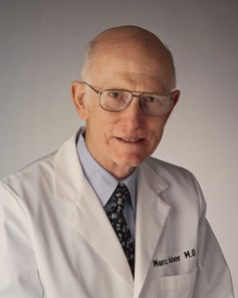
Marc Addason Asher, M.D. died February 1, 2019 of heart failure. He was born on August 15, 1936 to St. John,KS farmer James Manley Asher and Pratt, KS native Lucile Turner Asher.
He graduated from Kansas State University BS 58 and Kansas University, MD 62. He completed post-doctoral training at the University of Oregon, Baltimore City Hospital, and the Harvard Combined Orthopaedic SurgeryResidency. He served in the United States Public Health Service and the University of Texas School of medicinein San Antonio.
In January, 1972 Dr. Asher returned to his alma mater, rising from Assistant Professor to University DistinguishedProfessor Emeritus. He progressively sub-specialized in pediatric orthopedics and spine deformity. Heestablished and regularly conducted several clinics throughout the State, edited the first edition of OrthopaedicKnowledge update for the American Academy of Orthopaedic Surgeons and participated in the research anddevelopment of the Isola Spine Implant System. Available from 1989 through 2011, it was at one time one of theworld’s leading spine implant systems.
At the end of 2002 he retired from practice and at the end of 2008 from his academic appointment. During theremainder of his life he continued to participate in the academic life of the University of Kansas Medical Centerand to participate with the Kansas University Endowment Association, to develop resources to foster theadvancement of orthopedic science and practice. He continued to publish clinical papers and in October, 2015published his first book, “Dogged Persistence”.
Dr. Asher published and traveled widely, presented several named lectures and was active in several professional associations, holding office and receiving lifetime achievement awards from the Pediatric Orthopaedic Society of North America and the Scoliosis Research Society. In 1999 he was the University of Kansas School of Medicine alumnus of the year, in 2007 the Distinguished Kansan of the Year and in 2009 aFred Ellsworth Medallion from the University of Kansas Alumni Association. Also in 2009, he was honored by theSigma Chi Fraternity as a “Significant Sig” for distinguished achievement in his profession. In 2010 he wasnamed a Life Trustee of the Kansas University Endowment Association.
Starting in 2000, he, family members, and friends worked with the South Central (Kansas) CommunityFoundation (SCCF) to establish the Lucile Turner Asher Scholarship in Mathematics Endowment. To date, meritbased university tuition awards of up to eight semesters have been provided to fifteen scholars. Dr. Asher is survived by his wife Elinor June Asher and his daughter Janet Asher Vreeland and her husbandBob. His extended family was a major source of pride and inspiration for him.